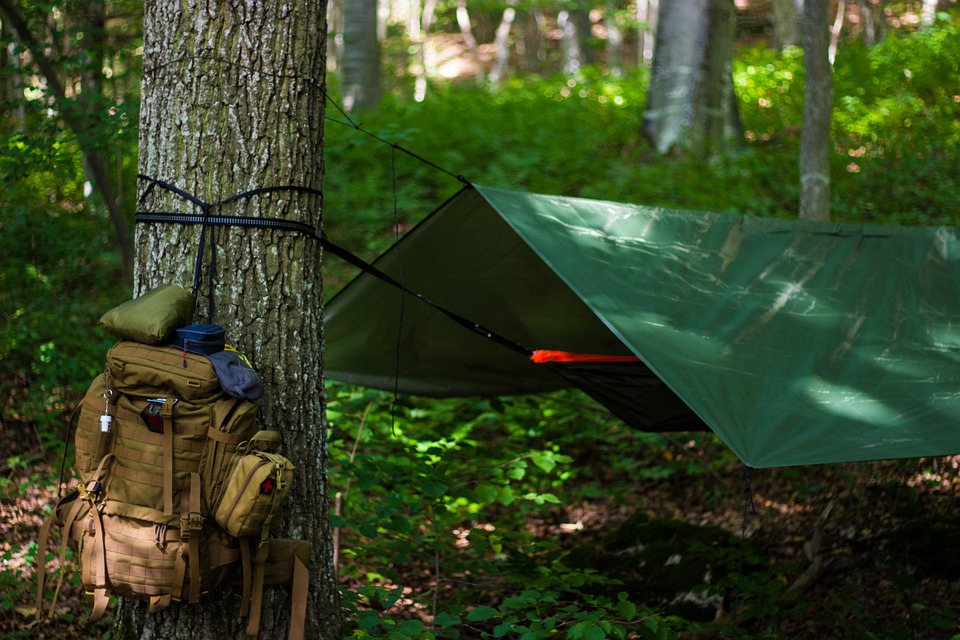
Few things capture the spirit of relaxation like a hammock. With just a strip of fabric and two sturdy anchor points, you can lift yourself off the ground and drift gently in the breeze. It’s one of the simplest and most satisfying ways to rest — a symbol of peace that has been part of human life for centuries. Today, hammocks blend traditional craftsmanship with modern design, offering comfort whether you’re lounging in the backyard or sleeping under the stars.
The History and Origin of Hammocks
The story of the hammock begins in the tropical regions of Central and South America, where indigenous peoples wove them from natural fibers as cool, breathable beds raised above the ground. The design kept sleepers away from damp earth, snakes, and insects, while allowing air to circulate freely. When Spanish explorers encountered them in the 1400s, they brought the idea home, and sailors soon adopted hammocks as efficient, space-saving bunks aboard ships. From there, the concept spread across the world, evolving from a survival tool to a universal symbol of rest and leisure.
Different Types of Hammocks
Modern hammocks come in many styles, each with a unique purpose and feel. The traditional Brazilian hammock is made of soft, tightly woven cotton or polyester fabric that wraps around the body like a cocoon. Its gentle sway makes it perfect for long afternoon naps or quiet evenings outdoors. Mayan and Nicaraguan hammocks feature an open weave made from thinner cords, creating a lighter, more breathable option for hot weather.
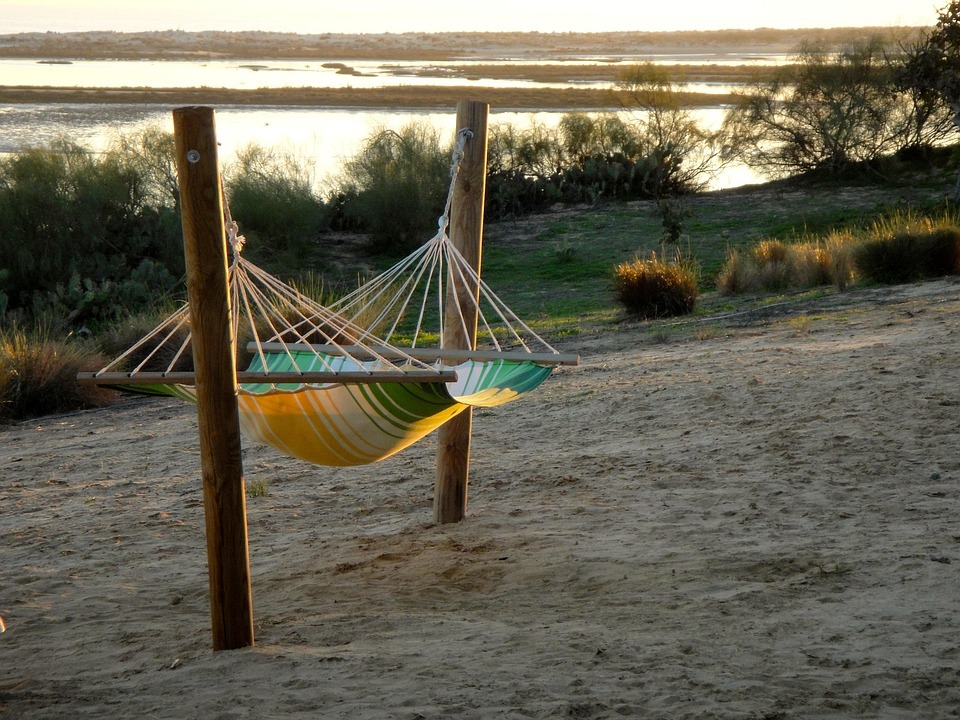
For outdoor enthusiasts, camping and travel hammocks are built from lightweight materials such as ripstop nylon or parachute fabric. They fold down to the size of a water bottle, making them ideal for hiking or backpacking. Some designs include spreader bars, which stretch the fabric open and create that classic “resort look.” These hammocks are easy to climb into and have a flat, bed-like feel, though they can be less stable than gathered-end hammocks, which cradle the body securely. Hammock chairs and swings are another modern favorite, hanging vertically to save space — perfect for porches, patios, or even indoor reading corners. With so many variations, there’s a hammock style for every lifestyle, climate, and setting.
How to Choose the Best Hammock
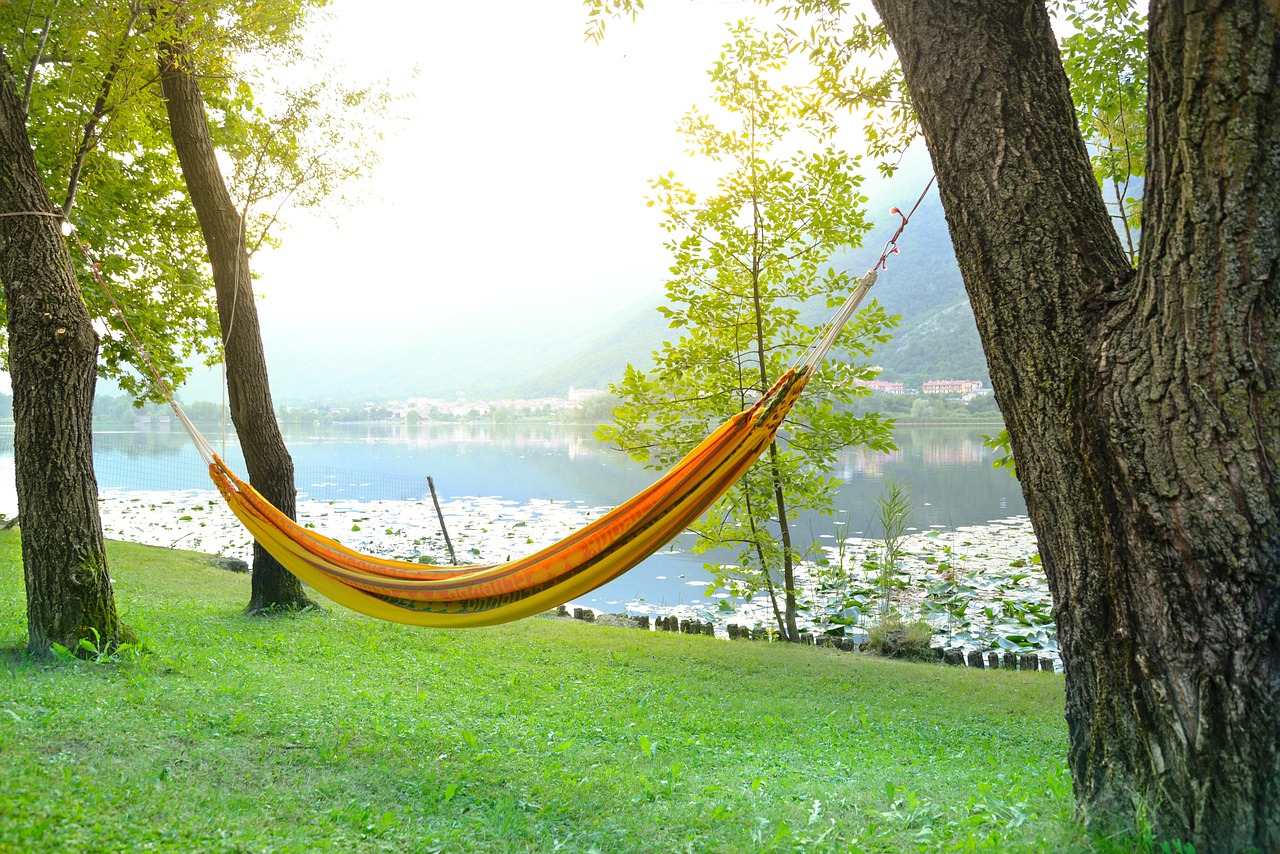
Choosing the right hammock starts with how you plan to use it. For backyard lounging, a cotton or fabric hammock with a stand or spreader bars offers both comfort and style. For camping or travel, opt for a lightweight nylon model that’s easy to pack, dry, and hang. Length and width matter too. A typical full-size hammock runs around nine to eleven feet long, while double hammocks provide extra width for more space or two people. The best hanging angle — about thirty degrees from each anchor point — creates that perfect “U” shape for comfort. Lying diagonally keeps your body flatter and more supported, reducing pressure and giving you that floating sensation every hammock lover dreams of.
The Best Hammock Brands of 2025
There’s no shortage of great hammock brands to choose from, whether you’re a casual lounger or a dedicated adventurer. Eagles Nest Outfitters (ENO) remains one of the most trusted names, known for durable materials and easy setup systems. Kammok brings sleek design and technical innovation to outdoor hammocks, while Grand Trunk offers colorful, travel-friendly models.
For serious backpackers, Warbonnet Outdoors and DutchWare Gear create ultralight hammocks with integrated bug nets and modular features. Hennessy Hammock stands out for its all-in-one designs, including built-in rainflies and mosquito nets — perfect for extended trips.
If you’re looking for artisan craftsmanship, Yellow Leaf Hammocks offers handwoven cotton hammocks made by skilled weavers, each one unique in color and pattern. For home décor and backyard comfort, Arlmont & Co. provides stylish, decorative options that look great in any outdoor setting.
Hammock Accessories That Enhance Comfort
The right accessories can turn a simple hammock into a full relaxation setup. Tree straps or webbing systems make hanging quick and tree-friendly. Carabiners and adjustable daisy chains let you fine-tune your setup. Insect nets keep mosquitoes at bay, while rainflies or tarps provide protection from unexpected weather.
Campers often use underquilts or insulated pads to stay warm through cool nights, since air moving underneath can steal body heat. Small additions like ridgelines, gear pockets, and drink holders add even more comfort. And for patios or decks, freestanding hammock stands eliminate the need for trees entirely.

Caring for Your Hammock
A little care goes a long way toward keeping your hammock in great condition. Always store it dry, avoid long-term sun exposure, and let it air dry completely if it gets wet. Check your straps, ropes, and hardware regularly for wear — especially if you hang your hammock often. With proper care, even a lightweight camping hammock can last for years of adventures.
Why Hammocks Endure
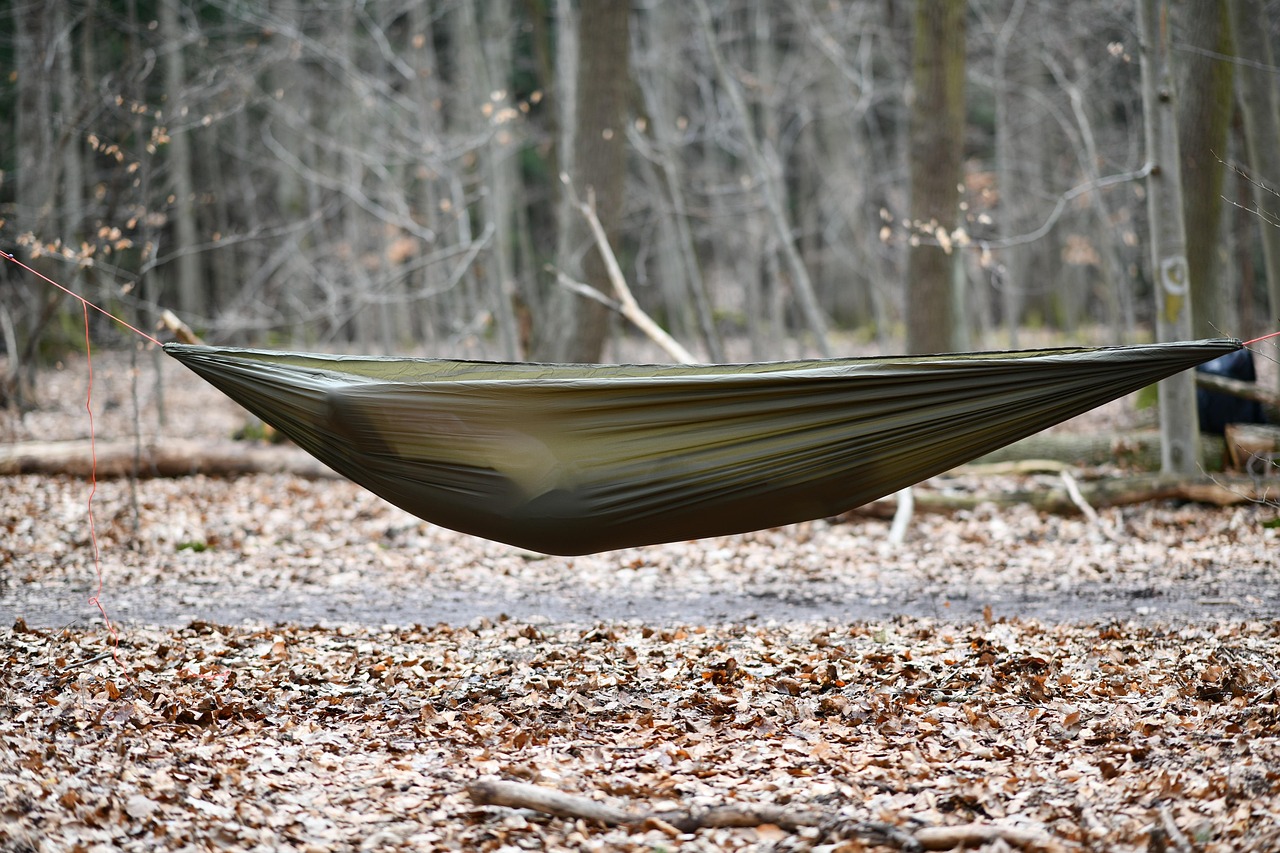
The beauty of the hammock lies in its simplicity. In just a few minutes, you can set one up and find yourself floating gently above the ground, feeling the world slow down. Whether between two trees by a lake, on your porch at sunset, or deep in the forest beneath a canopy of stars, the hammock represents something timeless — rest, balance, and connection to nature.
In the rhythm of its sway, you rediscover calm. You’re reminded that slowing down isn’t wasted time — it’s what makes life richer. And that’s what makes hammocks more than just a piece of gear. They’re a simple, enduring way to find peace anywhere.