
Weather in the wild can change fast. Always check the forecast and prepare for unexpected shifts. Bring extra layers, waterproof clothing, and a tarp just in case. A sudden down downpour or cold snap can turn a fun trip miserable if you’re caught unprepared. Nothing ruins a camping trip faster than bad weather you didn’t prepare for. Too many campers check only the day forecast and ignore nighttime temperatures, humidity, or wind. Even on a warm day, temperatures can drop drastically once the sun sets.
Avoid it by:
Checking both daytime highs and nighttime lows.
Packing extra layers, a rain jacket, and a tarp even if the forecast looks sunny.
Reviewing weather radar before leaving and adjusting plans if severe storms are possible.
Pro tip: The best campers always pack for one season colder than the forecast predicts.
Setting up a tent by flashlight is nobody’s idea of fun. Arriving after dark is a rookie mistake and often means poor site selection, uneven ground, unnecessary frustration, misplaced gear, and a negative attitude before you even get to start camping.
Pro tip:
Plan to arrive two hours before sunset. This gives you time to unpack, pitch your tent, test your gear, and explore your surroundings, gather fire wood, and prep for dinner. If you’re visiting a first-come, first-served site then arriving early also means you’ll have better campsite options and less stress.
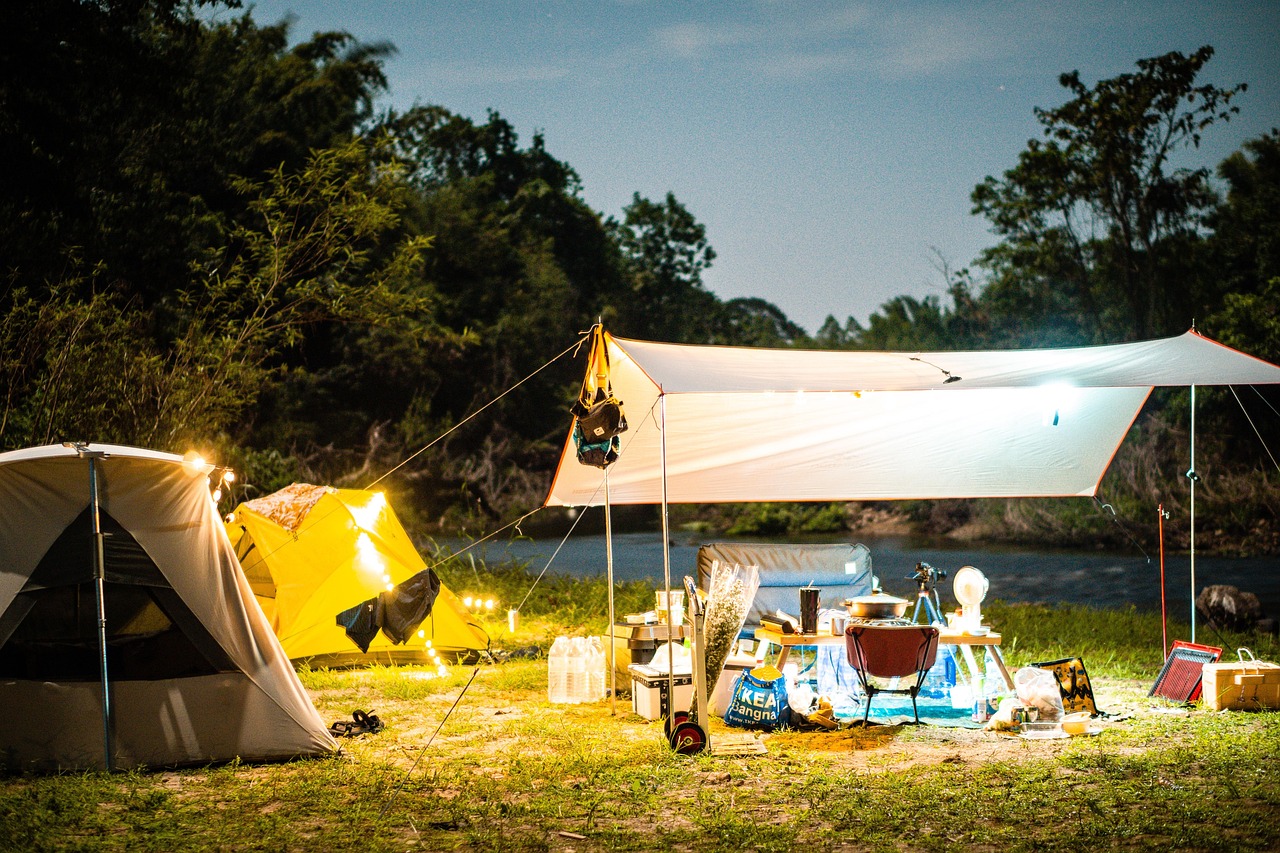
It’s easy to under pack or overpack without an absolute game plan. Forgetting a rainfly, headlamp, or sleeping pad can turn a good night into a miserable one. Overpacking can make carrying and organizing gear overwhelming, especially when the camp site is a decent walking distance from the vehicle.
Avoid it by:
Following a camping gear checklist for your trip type (car camping vs. backpacking vs. tent camping).
Doing a “gear test” before your trip — set up your tent, light your stove, and check batteries and tools.
Never skip the essentials: tent, sleeping bag, pad, first-aid kit, light, and waterproof matches.
Pro tip:
Organization is the difference between chaos and comfort in the wild. Make a checklist for your specific camp style, check each box as you pack. Once the car is loaded review the list again to make sure have everything you are going to need but not too much to carry.
A poor campsite can mean sleepless nights, flooding, rough terrain to sleep on, and bug bites. Beginners often pitch tents on low ground near water — which invites moisture and insects, or not checking under the leaves for stumps and rocks before you set up and stake the tent to the ground.
Avoid it by:
Choosing flat, elevated ground away from water sources.
Avoiding low spots where rainwater collects.
Inspecting overhead for dead branches or unstable trees (“widowmakers”).
Facing your tent toward the east for a little natural sunrise warmth.
Pro tip:
Good site selection is one of the most important — and most overlooked — camping skills. Choose your spot wisely!
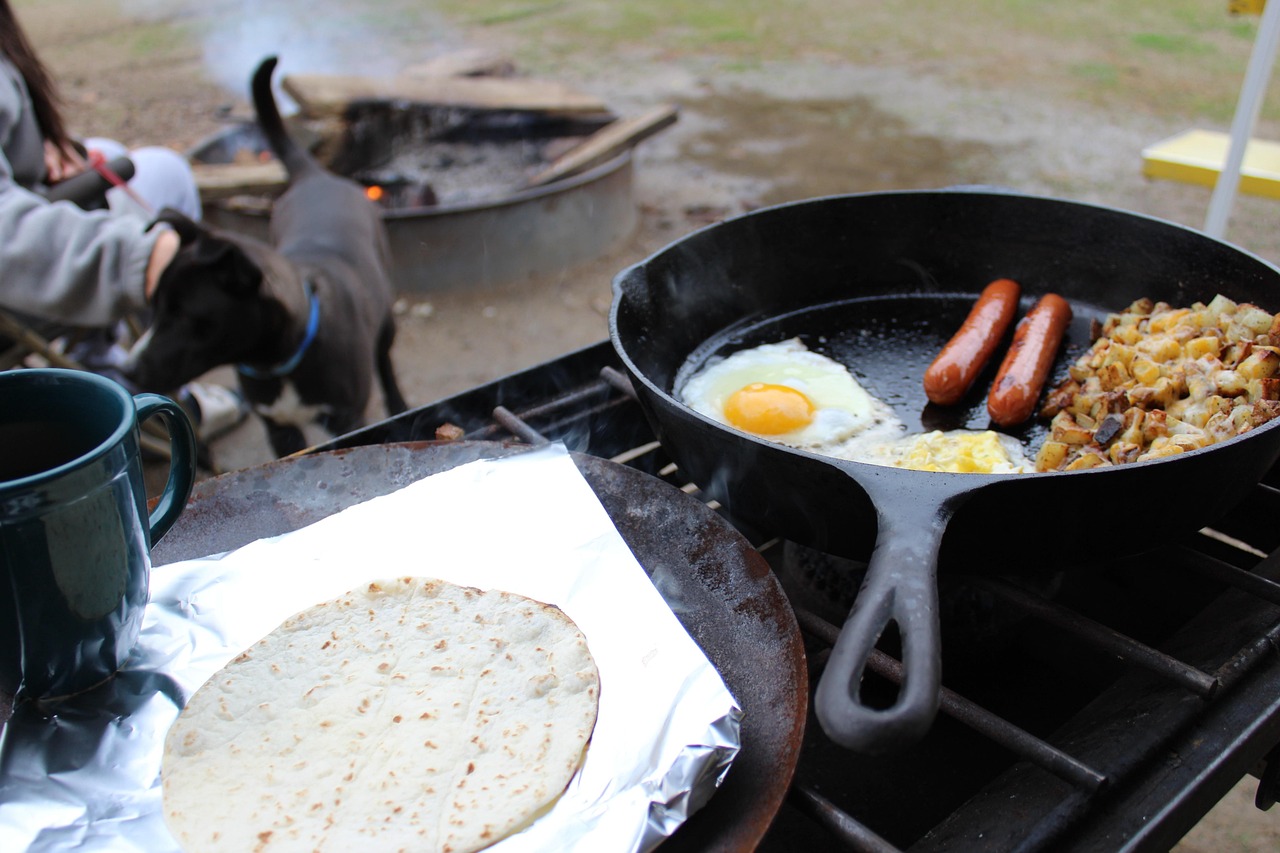
Unsecured food is a dinner invitation for wildlife. Once animals associate humans with food, it becomes dangerous for both parties. Raccoons can ruin your weekend trip not only by getting their tiny little hands on food that was left out, but even food in a dry storage bag or cooler. Bears are a little different but can still be a problem if food is not cared for or disposed of properly.
Avoid it by:
Sealing food in airtight containers or bear-proof canisters.
Hanging food bags 10 feet above the ground and 4 feet from a tree trunk.
Cleaning cooking areas immediately and never storing food inside your tent.
Pro tip:
Keep your site clean, and the wildlife stays wild — where it belongs.
Cotton may feel cozy, but it’s dangerous outdoors. It traps sweat and moisture, increasing the risk of chills or hypothermia. In hot conditions, it can cause overheating and in cold conditions it can cause hyperthermia. The key is to stay dry.
Avoid it by:
Dressing in moisture-wicking and quick-dry materials like merino wool or synthetics.
Layering clothing for easy adjustment to changing weather.
Bringing extra socks, underwear, pants, shirts, gloves, and a rain shell no matter the season.
Pro tip:
Remember: cotton kills — synthetics save.
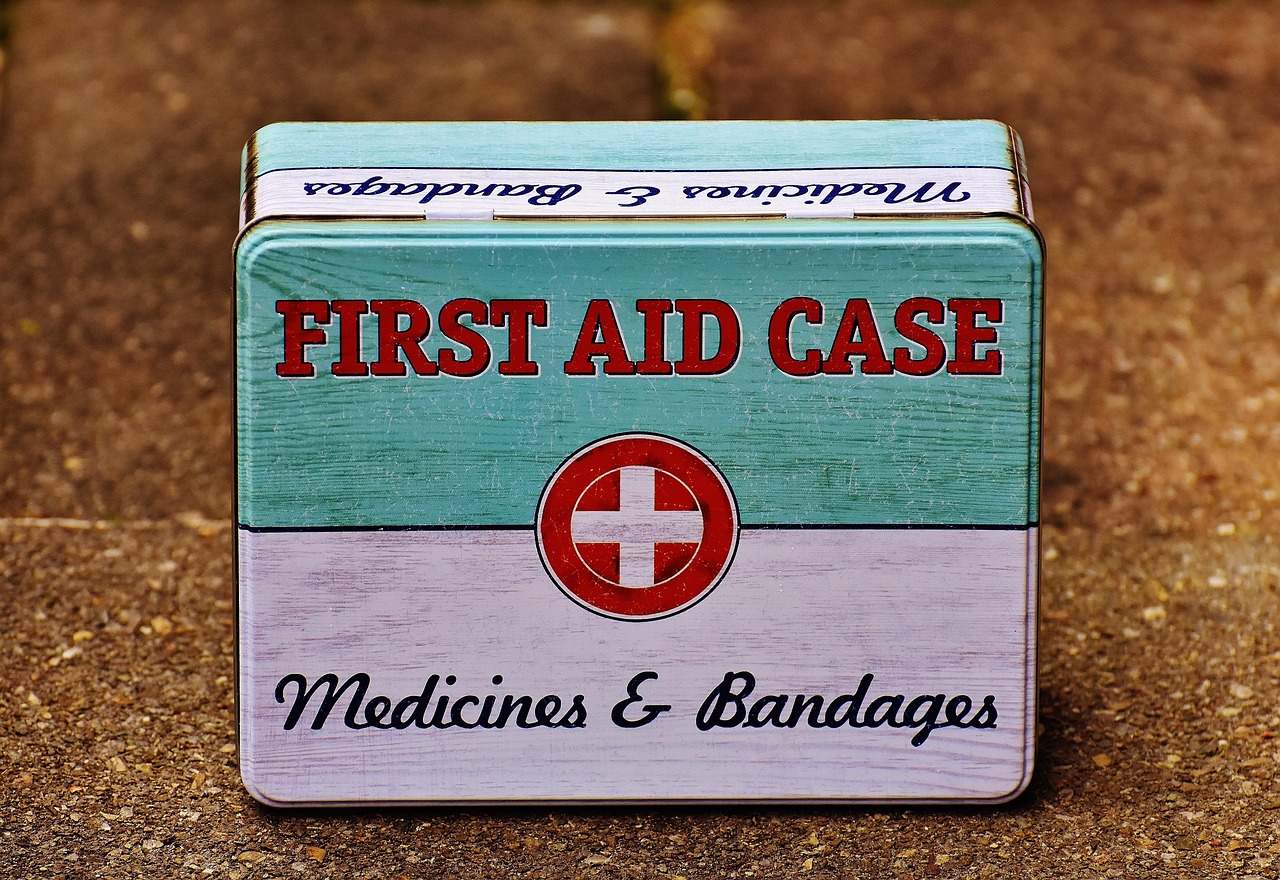
Small injuries happen on every trip — blisters, scrapes, or burns, cuts. Without a first-aid kit, even minor problems can escalate from an uncomfortable trip to complete misery, or even worse…..an ER visit.
Avoid it by:
Pack a compact kit with:
Adhesive bandages and antiseptic wipes
Gauze, medical tape, and scissors
Pain relievers and allergy meds
Tweezers and blister pads
Pro tip:
Take 5 minutes to check your kit before each trip — and learn how to use everything in it.
A poorly built or unattended campfire can cause catastrophic wildfires. Even a single ember left glowing overnight can reignite hours later. A little shift in the wind can cause those embers to heat back up and get blown out of the fire pit and cause a catastrophe. On average, there is about 70,000 wildfires per year in the U.S. alone. Approximately 80%-90% of those are caused by humans.
Avoid it by:
Building fires only in designated fire rings.
Keeping a 10-foot radius clear of debris.
Having a bucket of water and shovel nearby.
Fully extinguishing all embers until they’re cold to the touch.
Pro tip:
Make sure someone is on fire watch duty at all times when burning. Make sure the fire is completely put out and dump water on the coals to extinguish any remaining coals.
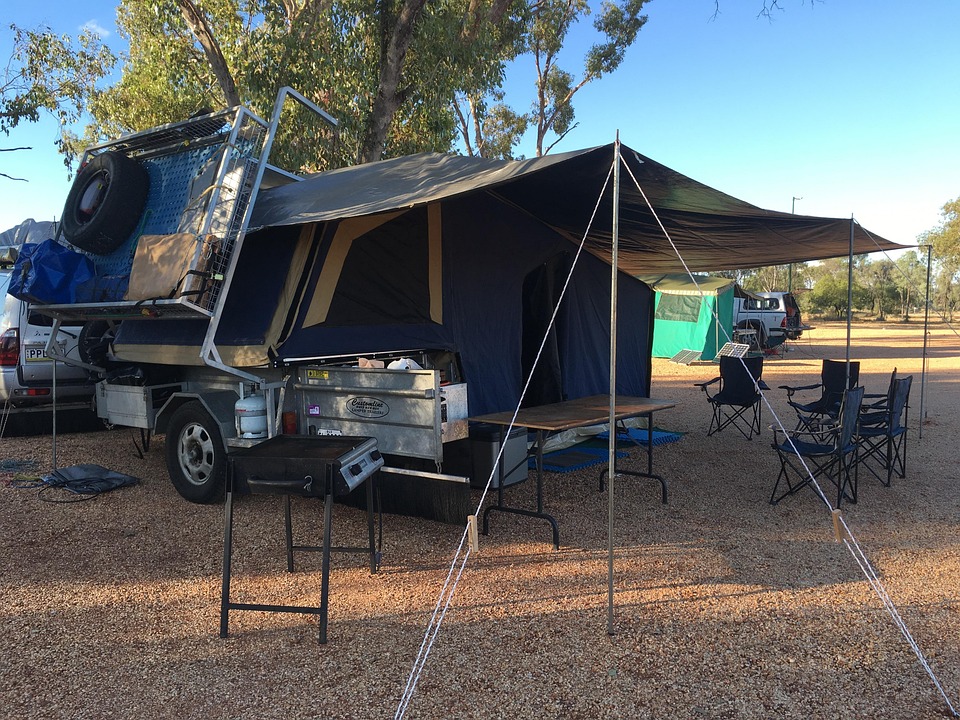
Outdoor cooking looks glamorous online, but the reality often involves wind, uneven heat, limited tools and the one friend who forgot his mess kit. Ambitious meals can quickly turn into frustration when your camping kitchen is not planned out perfectly. Take your time planning the meals and what tools you will need.
Avoid it by:
Sticking to simple, one-pot meals like chili, stir-fry, or pasta.
Testing your camping stove before leaving.
Bringing lightweight utensils and quick-cleanup gear.
Keeping snacks on hand for when things go sideways.
Pro tip:
Camping cuisine isn’t about perfection — it’s about practicality. For example-prep your eggs by scrambling them and store them in a mason jar for quick and easy cooking.
Nothing spoils nature faster than careless campers. Trash, leftover food, or damaged plants can take years to recover.
Avoid it by following the Seven Leave-No-Trace Principles:
Plan ahead and prepare.
Travel and camp on durable surfaces.
Dispose of waste properly.
Leave what you find.
Minimize campfire impact.
Respect wildlife.
Be considerate of other visitors.
Pro tip:
When you leave your campsite cleaner than you found it, you help protect the wilderness for everyone.
The best camping trips are the ones where nothing goes wrong — because you planned ahead. Most camping mistakes come down to one thing – lack of preparation! A little planning, the right gear, and respect for nature will turn even your first camping trip into a great memory. Avoiding these 10 common camping mistakes will help you stay safe, sleep better, and actually enjoy your time in nature either by yourself, with a few friends, or even a large camping group. The larger the group, the more mistakes will happen so try to plan your trip with a group chat so everyone is on the same page. Remember that camping isn’t about perfection; it’s about enjoying the experience, learning as you go, and finding peace in the outdoors.
Pro tip:
Every trip teaches something new — and every mistake is another story worth telling around the campfire.