Traditional campers pack for convenience — sleeping bags, camp stoves, and collapsible chairs. Tactical campers think in terms of systems. Every tool has multiple purposes. Every ounce carried must justify its weight.
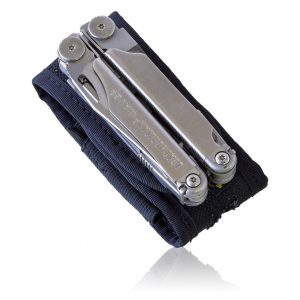
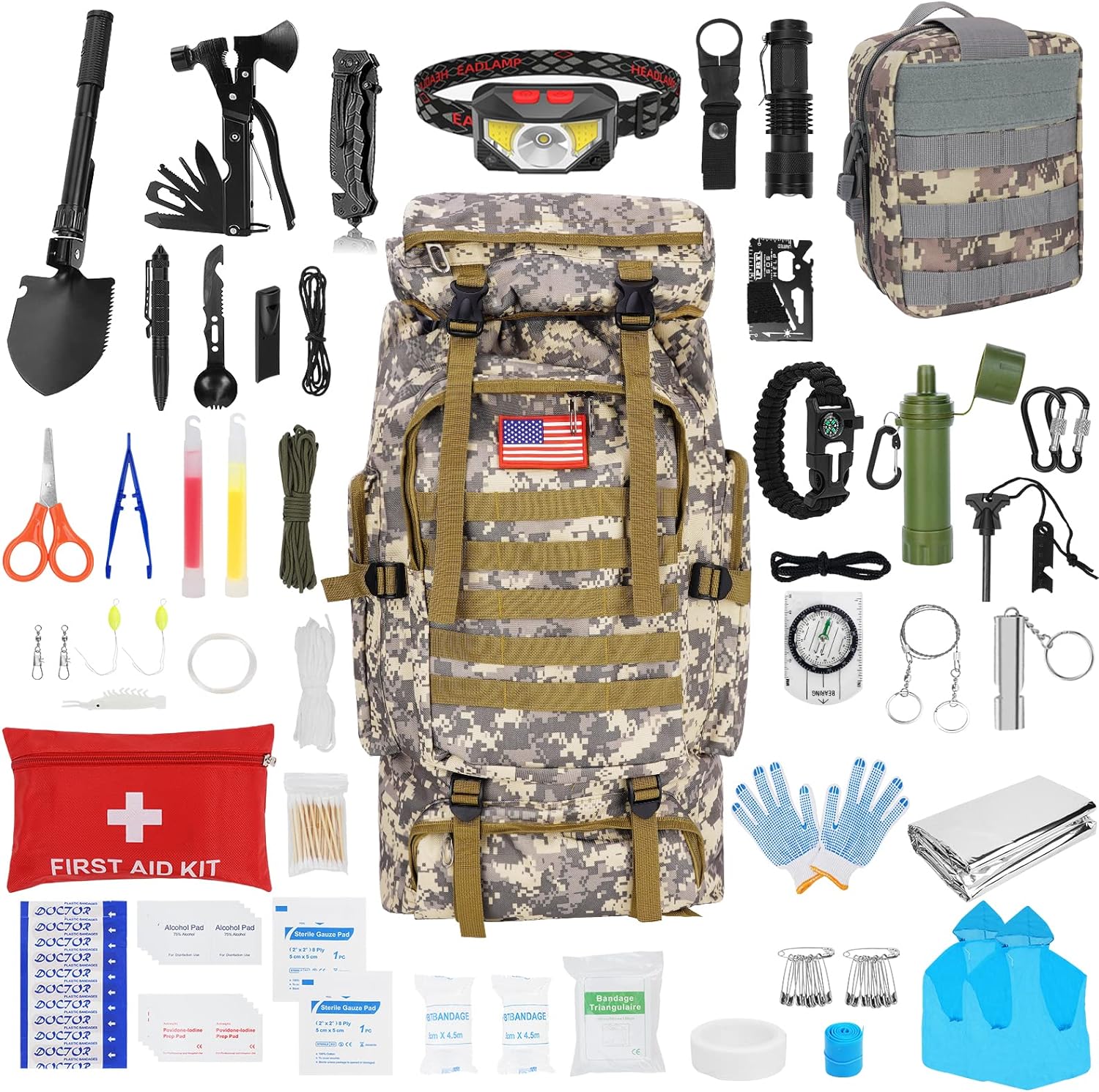
A tactical backpack, for instance, isn’t just storage. It’s a modular system, often using MOLLE webbing (Modular Lightweight Load-Carrying Equipment), allowing users to attach pouches for hydration, first aid, or tools on the fly. A basic multitool becomes a survival platform — pliers, knife, screwdriver, wire cutter — all in one pocket-sized companion. Even the flashlight becomes a planning instrument: waterproof, rechargeable, and bright enough to signal for rescue if needed.
This mindset isn’t rooted in fear. It’s rooted in confidence — the knowledge that if something goes wrong, you’re ready to adapt.
The term tactical has military origins, but its translation to the camping world focuses on four key attributes:
Durability – Constructed from high-denier nylon, reinforced stitching, and corrosion-resistant metals designed for years of abuse.
Modularity – The ability to customize and expand a system based on terrain or mission.
Stealth and Efficiency – Muted colors, low noise materials, and compact designs that blend utility with discretion.
Multi-Functionality – One piece of equipment replaces several. A tactical shovel might also be a saw, hammer, and fire starter in one tool.
Where a traditional camper might carry ten single-use items, a tactical camper might carry four that serve twenty functions. The result? A lighter pack, a clearer mind, and more freedom to move.


Every tactical setup begins with the core three: shelter, fire, and mobility.
Shelter: Tactical tents often emphasize speed and stealth. Models like the OneTigris Tetra Ultralight or the Snugpak Ionosphere feature compact profiles, camo fabrics, and rapid deployment systems that allow setup in under two minutes.
Fire & Light: Ferro rods replace lighters, and headlamps double as emergency strobes. In tactical camping, illumination isn’t just about visibility — it’s about control.
Mobility: The backpack becomes the heart of the operation. A 45- to 60-liter MOLLE rucksack offers enough space for gear while maintaining access to essential tools without unpacking the entire kit.
Beyond that, the gear expands into tools, hydration systems, protection gear, and navigation equipment. Tactical knives with full-tang construction, portable water filters like the Sawyer Mini, and compact solar chargers all play their part in maintaining independence from external support.
There’s a quiet confidence that comes with tactical camping. It’s not about doomsday prepping or looking the part — it’s about reclaiming agency in unpredictable environments. You learn to repair your tent with paracord and duct tape, navigate by compass when your GPS fails, and purify water from a stream with the tools you carry on your back.
In many ways, tactical camping is a return to authenticity. It removes the consumer gloss from outdoor culture and replaces it with craftsmanship, awareness, and skill. Every item carried must earn its place. Every choice matters. And every mile traveled feels earned.
Interestingly, the rise of tactical camping coincides with a cultural turn toward minimalism and self-sufficiency. Many who enter the hobby aren’t thrill-seekers — they’re professionals, parents, or digital workers seeking clarity. Tactical camping offers not chaos, but control: the ability to live intentionally and efficiently, stripped of excess.
In a world of convenience, there’s power in knowing you can build, fix, and survive without help. Tactical gear simply makes that possible. Whether it’s a titanium spork that doubles as a wrench, or a collapsible solar panel that charges your radio, these tools extend the boundaries of independence.
Tactical camping gear is more than a collection of rugged tools — it’s a philosophy of readiness. It encourages discipline, problem-solving, and respect for nature’s unpredictability. For beginners, it starts with choosing durable gear and learning how to use it; for seasoned adventurers, it becomes a way of thinking.
To camp tactically is to recognize that luxury is not comfort — preparedness is. And sometimes, the best way to reconnect with the wilderness isn’t to escape civilization, but to bring with you just enough of it to survive, adapt, and thrive.