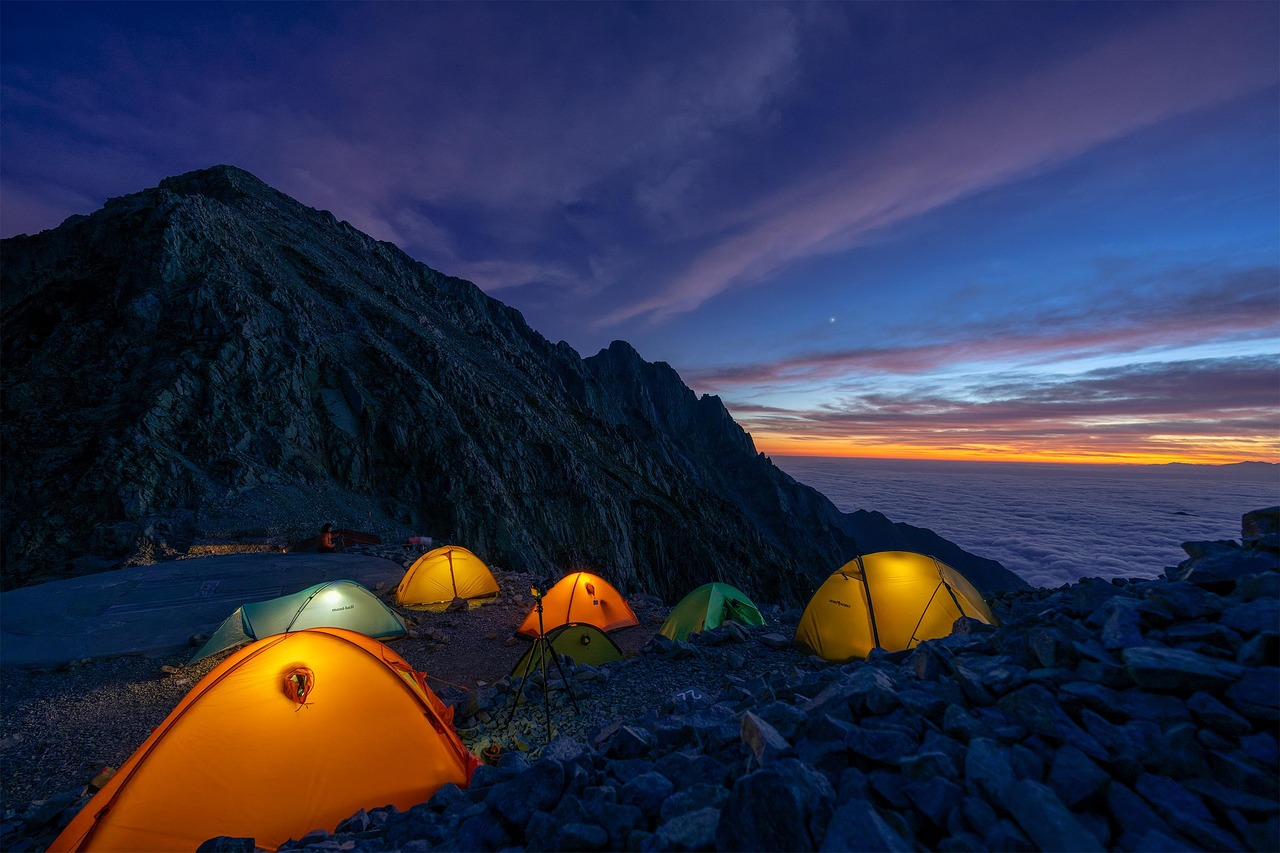
There’s something deeply calming about sitting by a quiet stream, listening to the wind in the trees, or watching the stars fade into dawn. Camping helps us reconnect with the natural world — but it also gives us a responsibility to protect it. As more people head outdoors each year, our collective footprint grows, and even small actions can have lasting effects. That’s why the Leave No Trace principles are so important. They remind us that enjoying nature means caring for it, too.
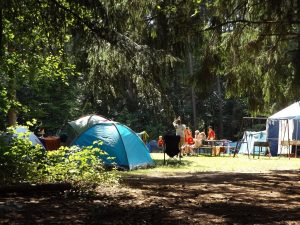
At River Mountain Gear, we believe that being a great camper isn’t just about having the right equipment — it’s about understanding how to use it responsibly. Whether you’re new to the outdoors or a seasoned adventurer, learning these seven Leave No Trace principles will help you make smarter, more sustainable choices every time you set up camp. Even a beginner camper can set the bar and lead by example just by following these steps.
Every great trip starts before you ever leave home. The more you plan, the less you disturb. Research your destination carefully — check local rules, trail conditions, weather forecasts, and especially fire restrictions. By doing your homework, you’ll know what to expect and avoid creating unnecessary impact once you arrive.
Planning also means packing properly. When you have reliable, durable gear like lightweight camping chairs, a compact first aid kit, and a sturdy tent, you’re far less likely to depend on natural resources for comfort or survival. A prepared camper doesn’t have to cut branches for firewood or disturb habitats looking for shelter materials.
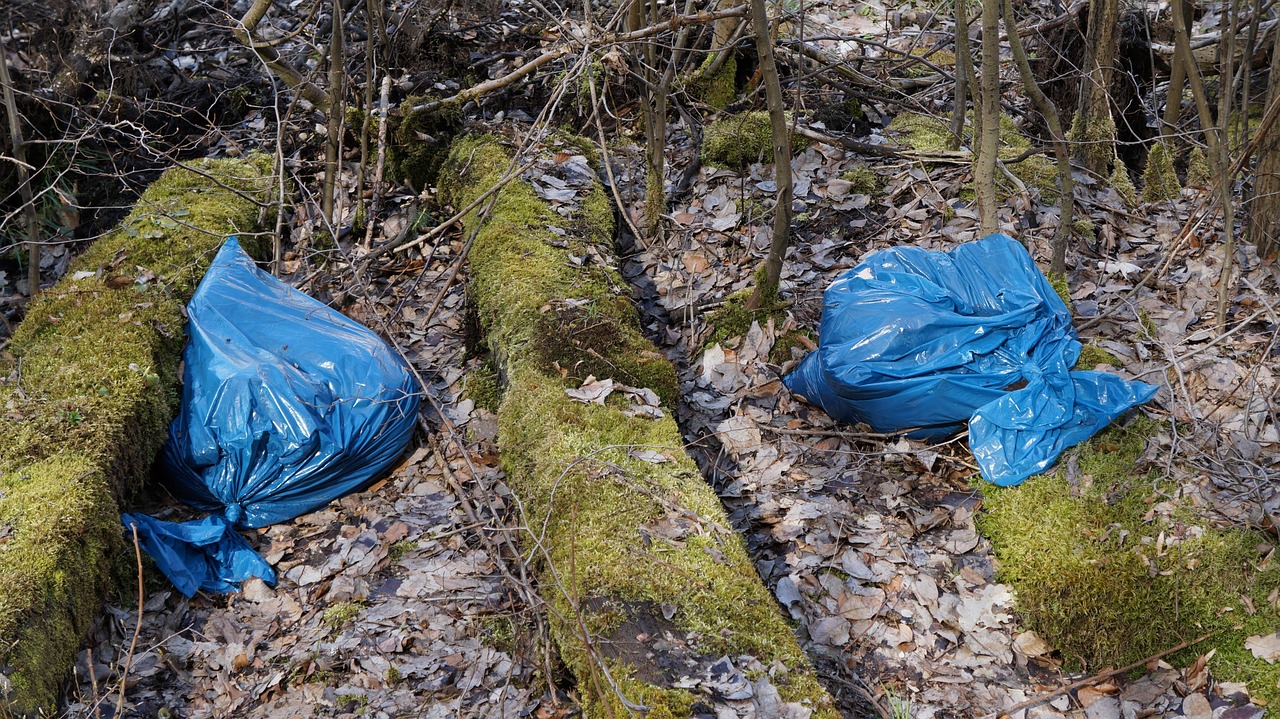
And don’t forget something as simple as a trash bag — it’s one of the most important items in your pack. Keeping waste contained from the start makes it easy to pack out everything you bring in. The most experienced campers will pick up any trash that was already there, left behind by the previous camper.
Pro tip: Always leave the camp site cleaner than when you arrived.
Nature is resilient, but not invincible. When hiking or setting up camp, stick to well-worn trails and designated campsites whenever possible. These areas are already compacted and less likely to erode. If you’re camping in a remote area, choose durable surfaces like gravel, rock, sand, or dry grass.
Avoid fragile areas like soft soil, wildflower meadows, and moss beds — they can take years to recover from a single night’s use. Lightweight and foldable gear, such as the MOON LENCE Portable Compact Camping Chair Plus from River Mountain Gear, is perfect for this principle because it provides comfort without pressing heavily into the ground or damaging vegetation.
Pro tip: Utilize a carefully planned checklist of all your gear.
The rule is simple: Pack it in, pack it out. Every item you bring — even those that say “biodegradable” — should leave with you. Leftover food and trash can attract wildlife, alter their behavior, and spoil the beauty of natural spaces. Bring small resealable bags to collect used tissues, wrappers, and food scraps until you can dispose of them properly.
When nature calls, use existing restroom facilities whenever possible. If there are none, dig a small hole six to eight inches deep and at least 200 feet from any water source. Cover it well after use. Even dishwater should be disposed of responsibly — strain out the food bits, scatter the water away from camp, and let nature filter it gradually.

Pro tip: Clean campsites not only protect the environment but also create a more peaceful experience for everyone who follows.
It’s tempting to take souvenirs — a smooth rock, a pretty feather, or a wildflower pressed between pages — but every object in nature plays a role. Rocks provide shelter for insects and small animals. Flowers feed pollinators. Even fallen branches decompose to nourish the soil. When we take them, we interrupt that cycle.
Instead of taking pieces of the outdoors with you, take photos, sketches, and memories. Encourage kids to make “memory journals” instead of collecting items. The landscapes we love are more beautiful when left exactly as they are.
Pro tip: Try not to disturb the environment as much as possible.
Campfires are one of the most beloved parts of camping, but they’re also one of the most dangerous. Each year, unattended or poorly managed fires cause damage to forests and wildlife habitats. Before lighting a fire, always check for fire bans and use established fire rings if available. Keep flames small and manageable — they’re easier to control and leave less trace behind.
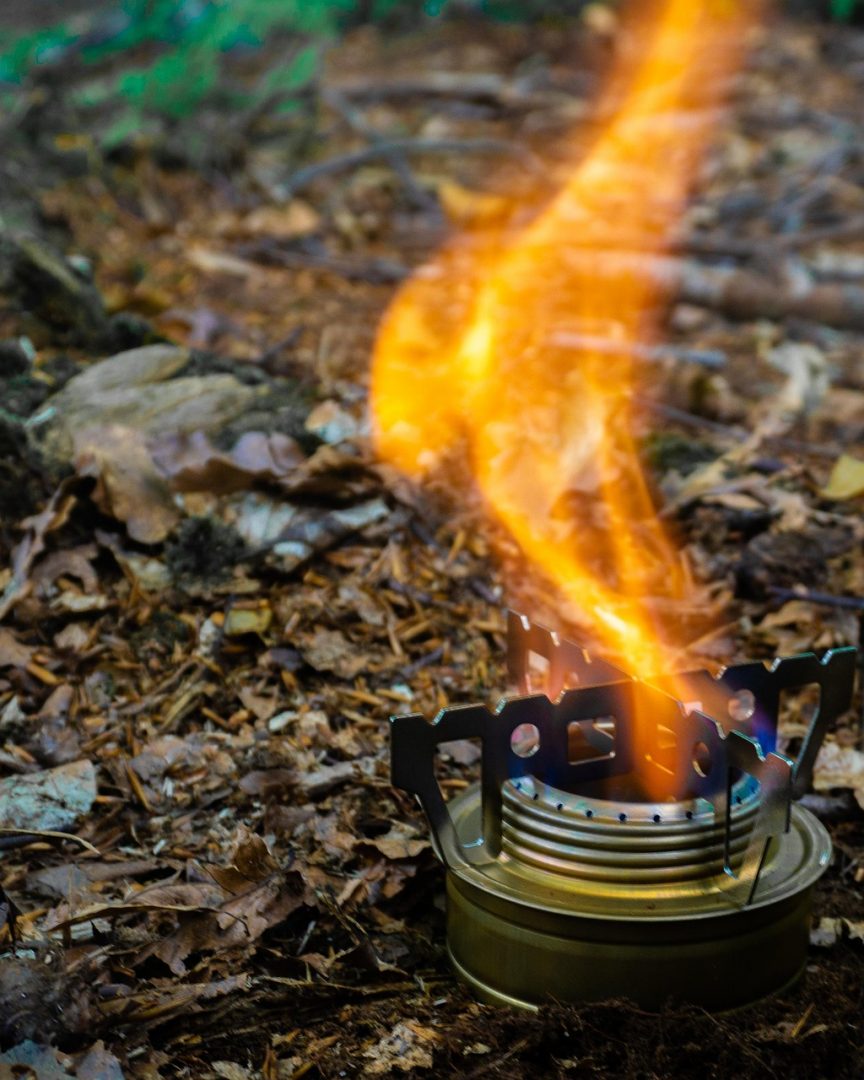
If you’re camping somewhere without a safe fire area, consider using a portable camp stove instead. Modern stoves are efficient, clean, and leave virtually no mark on the land. When you do build a fire, burn only small sticks you can break by hand, and never cut live wood. When it’s time to go, drown the ashes with water, stir, and touch the coals — if they’re warm, they’re not out.
Pro tip: Clean a 10ft. area of debris around your fire pit for safe conditions. If safety conditions are not met by fire bans, dry weather, and wind then utilize a portable stove.
Watching wildlife is one of the greatest joys of being outdoors, but remember that you’re a visitor in their home. Keep your distance and never feed animals, even if they seem tame. Human food can make them sick and cause them to become dependent or aggressive.
Store all food securely — a sealed cooler or bear-proof container works well. At night, pack food into your car or hang it from a tree away from your tent. Respecting wildlife not only keeps them safe, but it also protects your campsite from unwanted encounters.
Pro tip: The wilderness is the home to all animal life. Treat their home as if it were your home.
The peace of the wilderness belongs to everyone. Be mindful of noise, music, and bright lights after dark. Avoid crowding other campers, and give hikers room to pass on narrow trails. Respect quiet hours in campgrounds, and keep pets under control at all times. This is kind of like the phrase “Do unto others as you would have them do unto you”. Be respectful at all times.
The goal of Leave No Trace is not just to protect the land, but to create a sense of harmony between people and nature — so everyone can share in its beauty.
Pro tip: Offer help to nearby campers who may be new at this kind of adventure. Again, lead by example.
Leave No Trace camping isn’t about perfection; it’s about awareness. Every action, from choosing a reusable water bottle to picking where you pitch your tent, affects the environment in some small way. The more we understand our impact, the easier it becomes to make better choices.
At River Mountain Gear, we’re proud to support campers who care about the outdoors as much as we do. Our collection of eco-friendly, durable camping gear — from first aid kits and tents to lightweight chairs and sleeping gear — is designed to help you travel responsibly and comfortably.
When you head out on your next trip, bring your respect for nature along with your gear. With a little care and planning, you can enjoy the wild without leaving a trace — just memories, fresh air, and a deeper appreciation for the world beyond the trail.