
How to Bushcraft
A first-person adventure into the mindset, methods, and mastery of living with nature — from shelter and fire to water, food, and freedom.
In this guide, I’ll share what I’ve learned from years spent camping, wandering, and living close to the ground—the essential bushcraft skills that every modern adventurer should know: shelter, fire, water, food, navigation, communication, and mindset.
The Bushcraft Mindset
When you first start learning bushcraft, you think it’s all about tools—knives, tarps, axes, ferro rods. But eventually, you realize it’s not about gear at all. It’s about how you think.
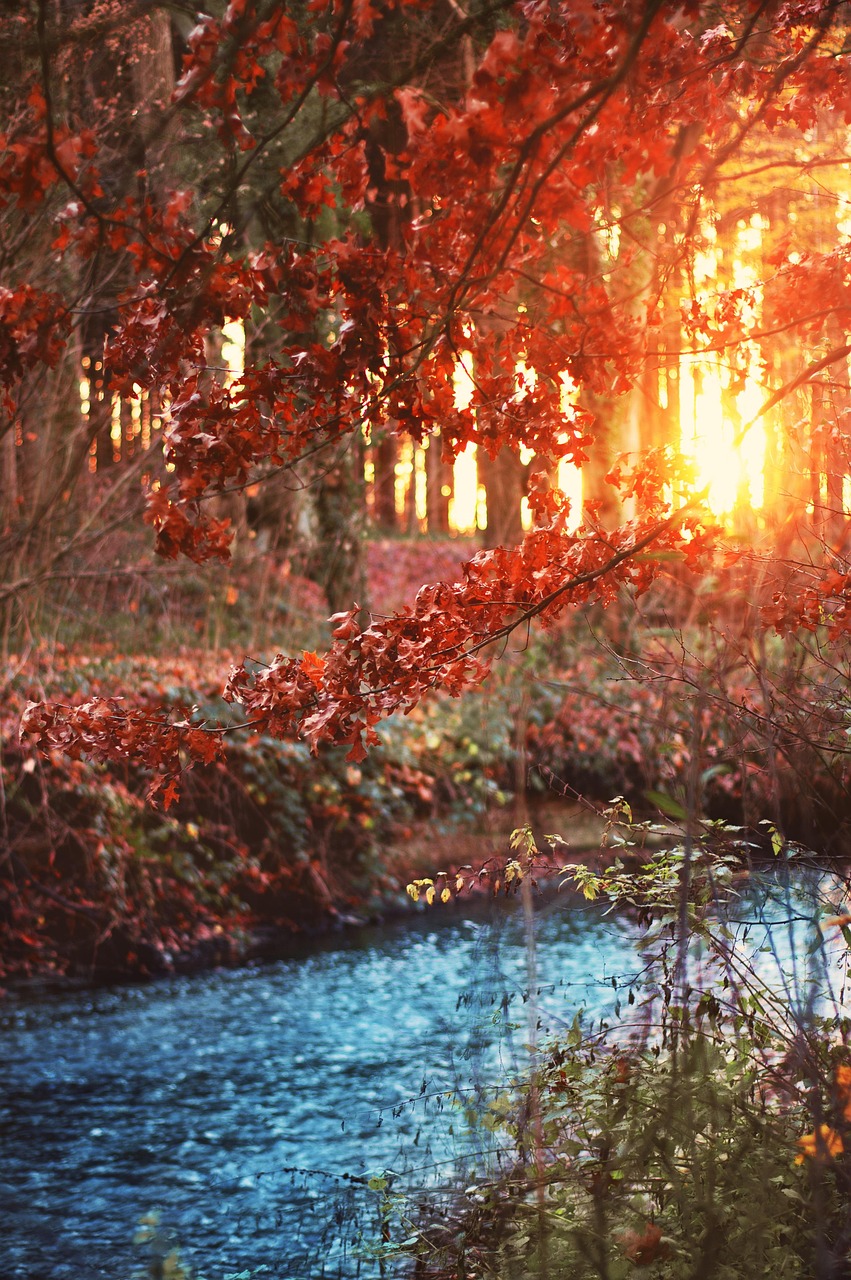
The woods don’t rush. Trees don’t hurry. Water doesn’t argue with rocks—it moves around them. That’s the lesson bushcraft teaches you. To survive out here, you don’t overpower nature; you align with it. You slow down enough to notice what’s really happening: the way wind shifts before rain, the smell of wet earth that tells you water is close, the birds going silent when something moves nearby.
I’ve learned to start every trip with stillness. I sit down, close my eyes, and listen. At first, you hear nothing. Then, the sounds begin to unfold—distant trickling water, a woodpecker somewhere upriver, leaves clicking against each other like whispers. That’s when the forest starts to speak.
Bushcraft is about patience and respect. It’s not just a set of skills—it’s a mindset of observation, adaptation, and humility. You stop forcing things to happen and start working with what’s already there.
How to Develop the Bushcraft Mindset
- Start small: practice in your backyard or a local park; set up a tarp, light a fire, or identify one new plant.
- Observe before acting: spend ten minutes just listening before setting camp. Let the land speak first.
- Carry less, learn more: leave one comfort item behind each trip and replace it with skill.
- Respect the environment: take only what you need, leave no trace, and work in harmony with nature.
Shelter — Building Comfort from Chaos
I’ve been caught in sudden downpours that turned the ground to soup, nights when wind howled through the trees like a freight train, and mornings when frost coated my sleeping bag in silver. On those nights, you learn what shelter really means.
There’s a strange comfort in creating safety from chaos—in taking a few branches, a tarp, and cordage and turning them into home. Shelter is more than protection from the elements; it’s your foundation, your calm center when the world around you is unpredictable.
The first thing I do when I reach camp is stop and look. I read the land. I check for dead branches above, feel the slope beneath my boots, and pay attention to where water will flow if it rains. Nature always gives clues if you’re patient enough to notice.
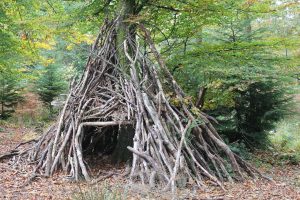
Once, during a storm in the Appalachians, I built a lean-to between two sturdy pines. Rain hammered all night, but I stayed dry under that small roof I made with my hands. Lying there, listening to the rhythm of rain, I felt more secure than I ever did in a house. Bushcraft has a way of teaching gratitude through simplicity.
How to Build a Simple Tarp Shelter
- Choose your site: find relatively flat ground with natural drainage, away from widowmakers above.
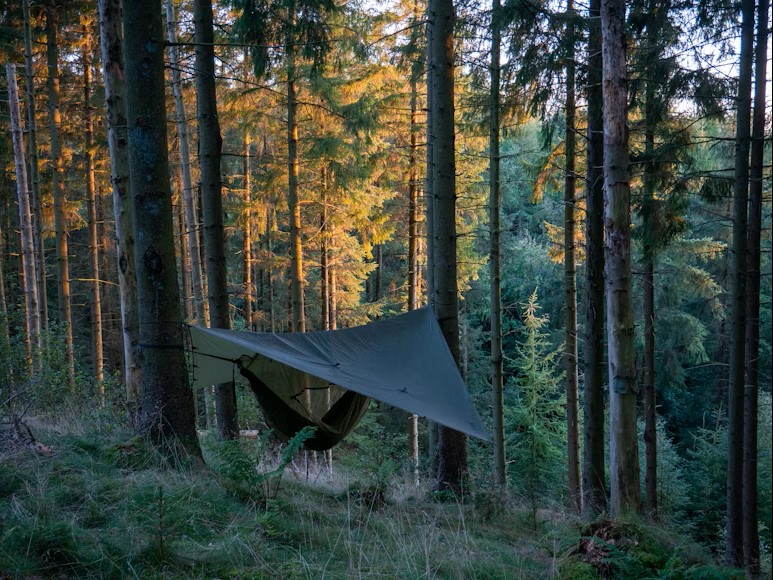
- Set your ridgeline: tie cord between two trees about shoulder height—this is your shelter’s spine.
- Drape and stake: hang the tarp evenly and secure each corner to the ground.
- Adjust for conditions: lower one side against wind or rain; raise for ventilation in calm weather.
- Add insulation if possible: collect dry leaves or pine needles for natural bedding beneath your tarp or hang a hammock with an under-quilt.
Fire — Where Everything Begins and Ends
If shelter is safety, fire is soul.
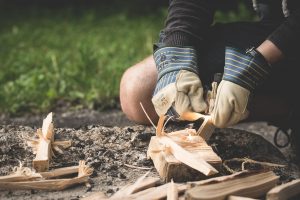
I remember the first time I made fire with nothing but a ferro rod and a knife. After hours of failure—wet wood, damp tinder, numb fingers—one spark finally caught. That tiny glow became light and warmth, and I understood what our ancestors must have felt. Fire connects us across centuries.
Fire demands preparation, patience, and humility. It doesn’t care about fancy gear or shortcuts. If you rush, it dies. But when you take your time—gathering the right wood, feeling its dryness, stacking it with care—the reward is worth every spark. I’ve spent many cold nights crouched beside a small blaze, face warmed, back chilled, and heart quiet.
That flickering flame becomes a companion. It teaches you how small effort and focus can transform into power. Out here, a fire isn’t just warmth—it’s proof that persistence still matters.
How to Build and Maintain a Fire
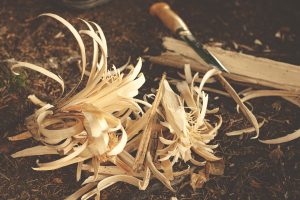
- Gather materials: tinder (bark, grass), kindling (thin sticks), and fuel (thicker branches).
- Build the shape: teepee or lean-to for airflow; keep the center open for your spark.
- Light carefully: strike a ferro rod or lighter near the tinder, shielding from wind.
- Feed slowly: add kindling, then fuel once the fire grows strong.
- Maintain control: keep it small, clear the area, and never leave it unattended.
Water and Food — The Essentials of Independence
Water and food are where survival meets humility. You can’t fake thirst or hunger. Out here, every drop and every bite is earned.
I’ve followed dry creek beds that suddenly led to trickling springs, collected rainwater during storms, and boiled it under starlight until it was safe to drink. You start to sense where water hides—the lush patches of green, the way insects gather, the cool damp scent under mossy stone.
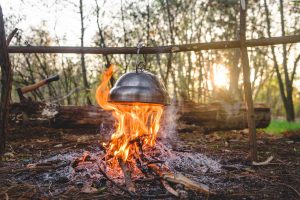
Cooking outdoors is another lesson in gratitude. Simple food becomes celebration. Bread cooked on a stick, rice simmered in a metal cup, or coffee brewed over coals—it all tastes richer when earned. I’ve gone to sleep many nights full and content, not because of luxury, but because I made it myself.
How to Find and Purify Water
- Follow terrain downhill—water gathers in valleys or low ground.
- Choose moving water over stagnant pools; avoid animal-heavy areas.
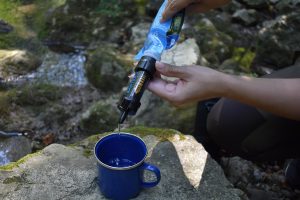
- Filter with cloth to remove debris.
- Boil for one minute or use a field filter/purification tablets.
- Keep treated and untreated water separate.
How to Cook Simply in the Wild
- Build a stable fire bed using flat stones.
- Use minimal cookware—a small metal pot works for most meals.
- Cook with patience—coals heat more evenly than open flame.
- Experiment with foraged herbs or greens once you learn identification.
- Clean thoroughly and secure all food away from animals.
Navigation and Communication
Getting lost used to terrify me. Now, it teaches me. Bushcraft navigation isn’t about finding your way—it’s about understanding where you already are.
I always carry a compass and a small map, but I also trust my senses. The slope of the land, the position of shadows, even the rhythm of bird calls—nature gives subtle clues if you’re willing to notice. I often sketch simple maps in my notebook, marking landmarks like rock formations or fallen trees. It’s amazing how memory sharpens when you travel slowly and observe carefully.
Communication is the other half of safety. Radios, whistles, and planning aren’t weakness—they’re wisdom. I’ve been in fog so thick you couldn’t see ten feet, and our little radios kept us connected when sight failed. Knowing how to navigate and communicate isn’t optional; it’s respect for those who travel with you.
How to Navigate Without GPS
- Carry a compass and map; learn contour lines and scale.
- Align your map to true north before each leg of travel.
- Use sun, stars, and terrain as secondary guides.
- Mark your route with temporary, natural indicators only when necessary.
How to Stay in Contact Off-Grid
- Set meeting times or channels with your group before separating.
- Keep messages short and clear; repeat vital info.
- Conserve battery life; keep electronics warm in cold weather.
- Practice basic radio etiquette: identify and pause before speaking.


Modern Bushcraft Gear 2026 — Blending Old and New
Some think bushcraft means living like it’s 1820. I see it differently. For me, it’s about balance—using timeless skills and modern tools in harmony.
Knives are sharper and lighter, tarps are stronger, and radios last longer—but the fundamentals haven’t changed. A knife still cuts, a tarp still shelters, and fire still means life. The magic is in how you combine them.
I’ve tested high-end gadgets that failed in a day and old tools that still work decades later. “New” doesn’t always mean “better.” The right tool is the one you understand completely.
How to Choose the Right Bushcraft Tools for 2026
- Keep it simple—knife, saw, tarp, cordage, and a small pot.
- Buy quality once; avoid cheap gear that fails fast.
- Practice before relying on anything new.
- Blend tradition with technology; use both wisely.
Final Thoughts
Bushcraft isn’t about proving toughness—it’s about rediscovering how capable you already are. Every fire, every shelter, every meal cooked in the rain is a lesson in patience and presence.
Each time I go out, I learn something new: how to read weather from the clouds, how to find calm in failure, how to listen again. Nature doesn’t owe us comfort, and that’s what makes it beautiful. When we live with it, we find the peace we’ve been missing all along.
So pack light, walk slow, and listen. The wild still has plenty to teach—and bushcraft is how we learn.