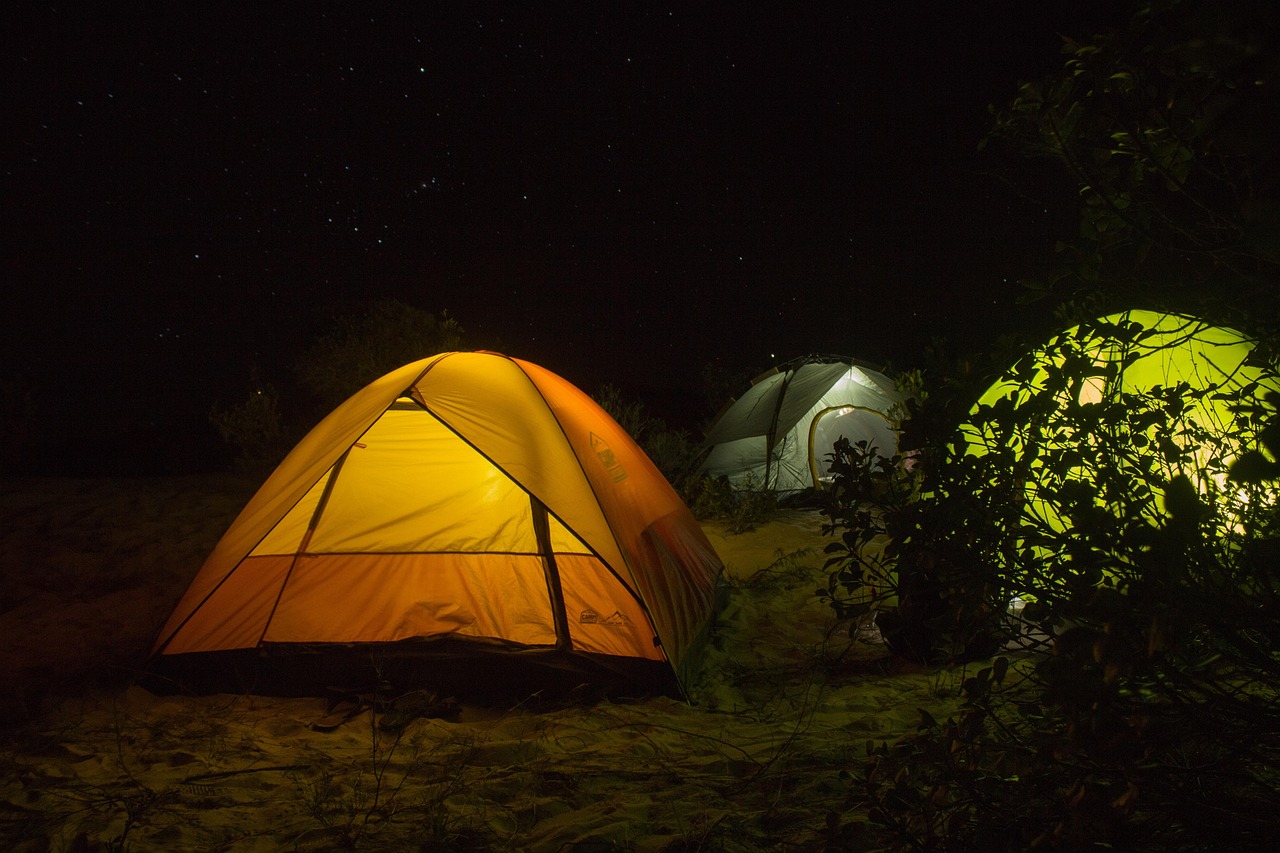
A camping lantern is one of the most practical lighting tools for outdoor adventures. Whether you’re car camping with family or backpacking deep in the wilderness, a lantern provides reliable light for cooking, setup, and safety after dark. Stumbling around in the dark is not an idea of a good time and can ultimately cause injuries. Lanterns have been around for centuries and have evolved over time. In this day and age we have unlimited choices on how we can utilize this old technology with modern upgrades. Understanding the different types of camping lanterns and their features helps you choose the right one for your style of adventure.
Types of Camping Lanterns
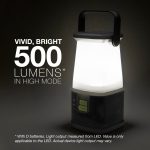
1. Battery-Powered LED Lanterns Battery-powered lanterns are the most common type used today. They rely on LED bulbs, which are bright, energy-efficient, and long-lasting. Most models use AA, AAA, C-cell or D-cell batteries, while others include rechargeable lithium-ion packs. LED lanterns are safe, cool to the touch, and often waterproof, making them ideal for tents or enclosed spaces.
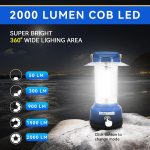
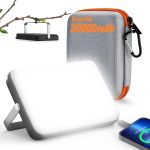
2. Rechargeable Lanterns Rechargeable lanterns use built-in batteries that can be powered via USB, solar panel, or even a hand crank. They’re environmentally friendly and cost-effective over time since you don’t have to buy disposable batteries. Some rechargeable lanterns also include power bank functions, allowing you to charge your phone or GPS while camping. Others have unique features like a built in fan.
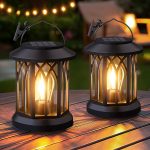
3. Solar-Powered Lanterns Solar lanterns are perfect for extended trips off the grid. They charge during the day and provide light at night without the need for fuel or electricity. Compact folding models are lightweight for backpacking, while larger ones can power multiple lights or even larger devices.
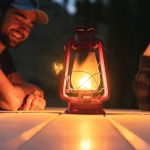
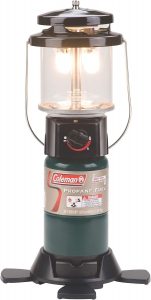
4. Fuel-Burning Lanterns These traditional lanterns run on propane, butane, or kerosene. They produce bright, warm light and can generate a bit of heat, which is helpful in cold conditions. Fuel-burning lanterns such as the old school, Coleman Lantern, are ideal for base camps or car camping, but they must be used outdoors with proper ventilation due to carbon monoxide risk.
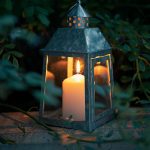
5. Candle Lanterns Candle lanterns are simple, lightweight, and give off a soft, natural glow. They’re best for short trips or as backup lighting. While not as bright as other options, they create a cozy atmosphere and are often used for ambiance around camp.
Key Features to Look For
When choosing a camping lantern, consider the following features to match your needs:
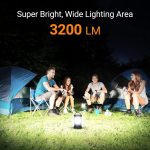
Brightness (Lumens): Brightness levels typically range from 100 to over 1,000 lumens. Around 200–300 lumens is sufficient for small campsites or inside tents, while 500+ lumens provides strong illumination for large areas.
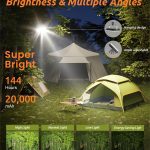
Battery Life or Burn Time: Long runtime is essential for multi-day trips. LED lanterns can run for 20 to 100 hours on low settings, while fuel lanterns can burn for 7 to 14 hours per canister. Always check the runtime before purchasing. Make sure you have a way to charge them or enough fuel for the trip.
Size and Weight: Compact lanterns are ideal for backpacking and hiking, while larger models provide better light for family or group camping. Mainly when your group has a base camp and doesn’t need to travel far from camp. Collapsible lanterns save space when packing.
Power Source: Choose a lantern based on how easy it is to refuel or recharge during your trip. If you’ll be near a power source, rechargeable or USB-powered lanterns are convenient and very easy to use. For remote areas, solar or battery-powered models are more reliable but, they have their limitations too. Fuel canisters can last a for a weekend with limited use. Most propane canisters come in single, double, or 4 packs for those extra long weekends or adventures.
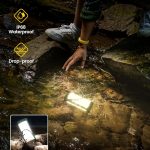
Durability and Weather Resistance: Look for lanterns with an IP waterproof rating, sturdy housing, and shatter-resistant lenses. Camping environments can be unpredictable, so durability matters especially in heavy rains or when hiking.
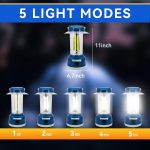
Light Modes: Many modern lanterns feature adjustable brightness, strobe modes for emergencies, and warm light settings for a softer glow. Dimmable controls help extend battery life and create the right atmosphere.
Hanging and Mounting Options: Lanterns with built-in hooks, handles, or magnetic bases can be hung inside tents, attached to vehicles, or placed on uneven surfaces.
Best Uses for Camping Lanterns
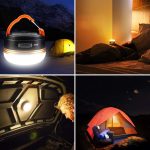
Tent Lighting: A small, dimmable LED lantern is perfect for reading, changing clothes, or organizing gear inside your tent.
Cooking and Food Prep: A mid-sized lantern placed on a table or hung above your cooking area provides bright, even light for safe meal preparation.
Trail and Perimeter Lighting: Set up multiple lanterns around your campsite for visibility and safety. Solar or motion-sensor models can mark pathways or deter wildlife.
Emergency and Safety Lighting: Lanterns with red or flashing light modes are excellent for emergencies. Rechargeable models can also double as power banks for communication devices.
Group and Family Camping: Larger propane or rechargeable lanterns offer powerful illumination that helps groups stay connected around the campsite after dark.
Choosing the Right Camping Lantern
Your ideal camping lantern depends on where and how you camp.
For backpackers: Lightweight, compact, rechargeable, or solar models are best.
For family or car camping: Bright LED or propane lanterns provide the most coverage.
For emergencies or preparedness kits: Dual-power lanterns with both rechargeable and battery options offer reliability in any situation.
A camping lantern is more than just a light source — it’s a core piece of camping equipment that keeps your nights comfortable and safe. Whether powered by fuel, battery, or the sun, choosing the right lantern ensures your adventures don’t end when daylight fades.]