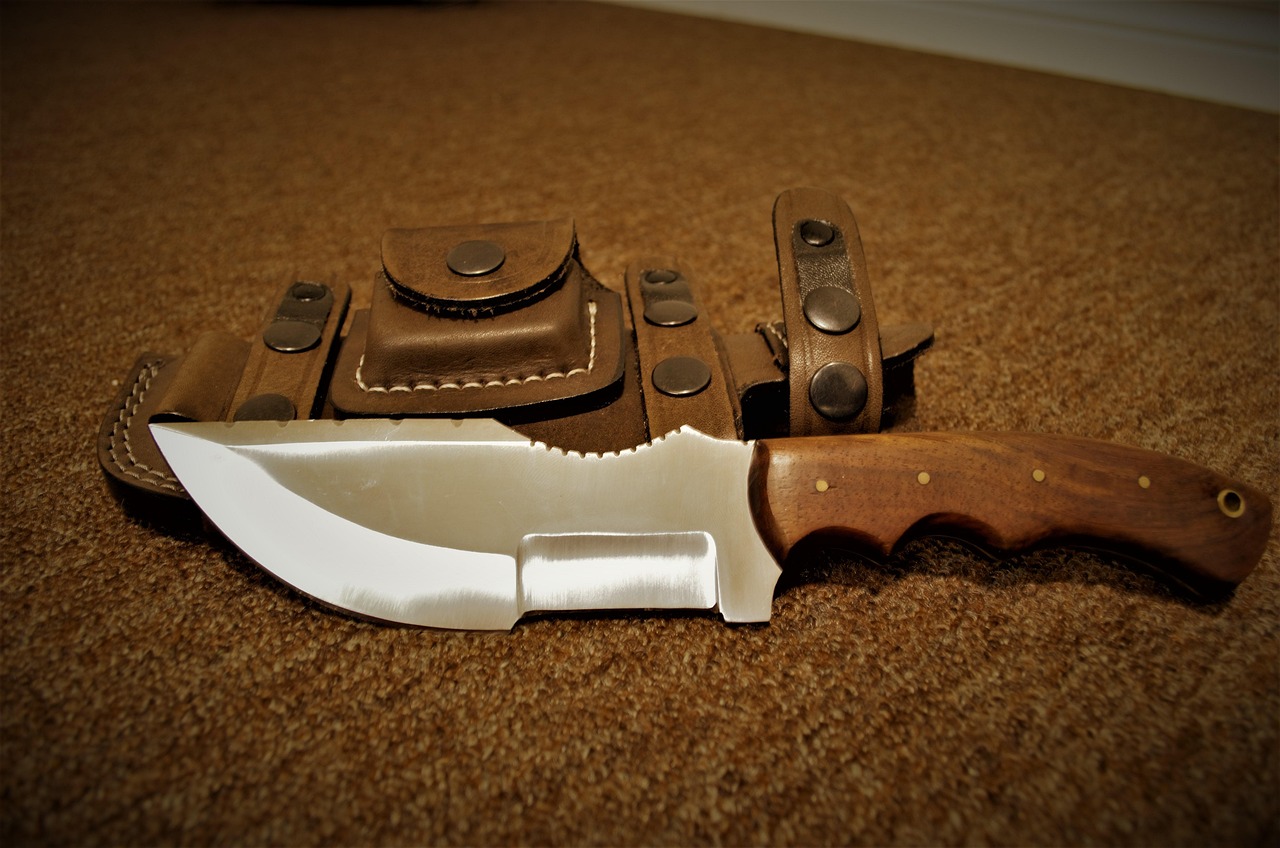
A knife is reliable tool for every outdoor adventure.
When it comes to outdoor adventures, few tools are as versatile and essential as a good camping knife. Whether you’re cutting rope, preparing food, carving wood, or handling emergencies, a reliable knife can make all the difference. But with so many options available, it’s important to understand the differences in size, style, materials, and intended use.
1. Knife Sizes
Small Knives (Under 3 inches)
Compact and lightweight, small knives are ideal for detail work like carving, slicing food, or cleaning fish. They fit easily in your pocket or pack and are great for minimalists who want a simple tool for light tasks.
Medium Knives (3–5 inches)
This is the sweet spot for most campers. A medium-sized knife offers enough blade length for general utility tasks—cutting branches, preparing kindling, or crafting tent stakes—without being too cumbersome to carry.
Large Knives (5 inches and up)
Large knives are built for heavy-duty tasks such as chopping wood, batoning logs, or clearing brush. While they can handle tough jobs, their size makes them less practical for precision work or food prep. Many campers pair a large knife with a smaller folding knife for versatility.
2. Knife Styles
Fixed-Blade Knives
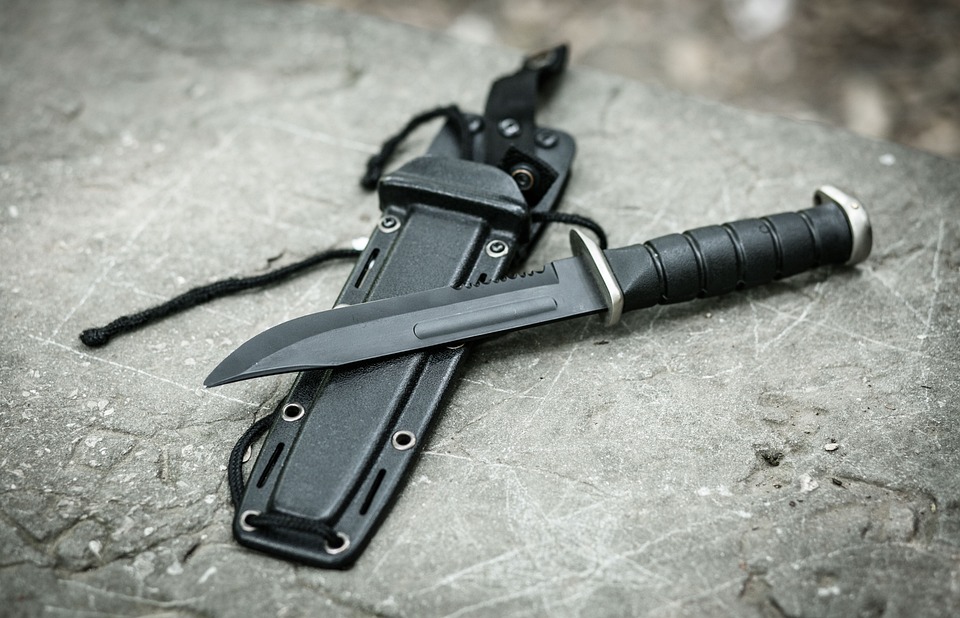
The most dependable style for camping. A fixed blade has no moving parts, making it stronger and easier to clean. It’s ideal for survival tasks, bushcraft, and food prep. Popular examples include the Morakniv Companion and Ka-Bar Becker BK2.
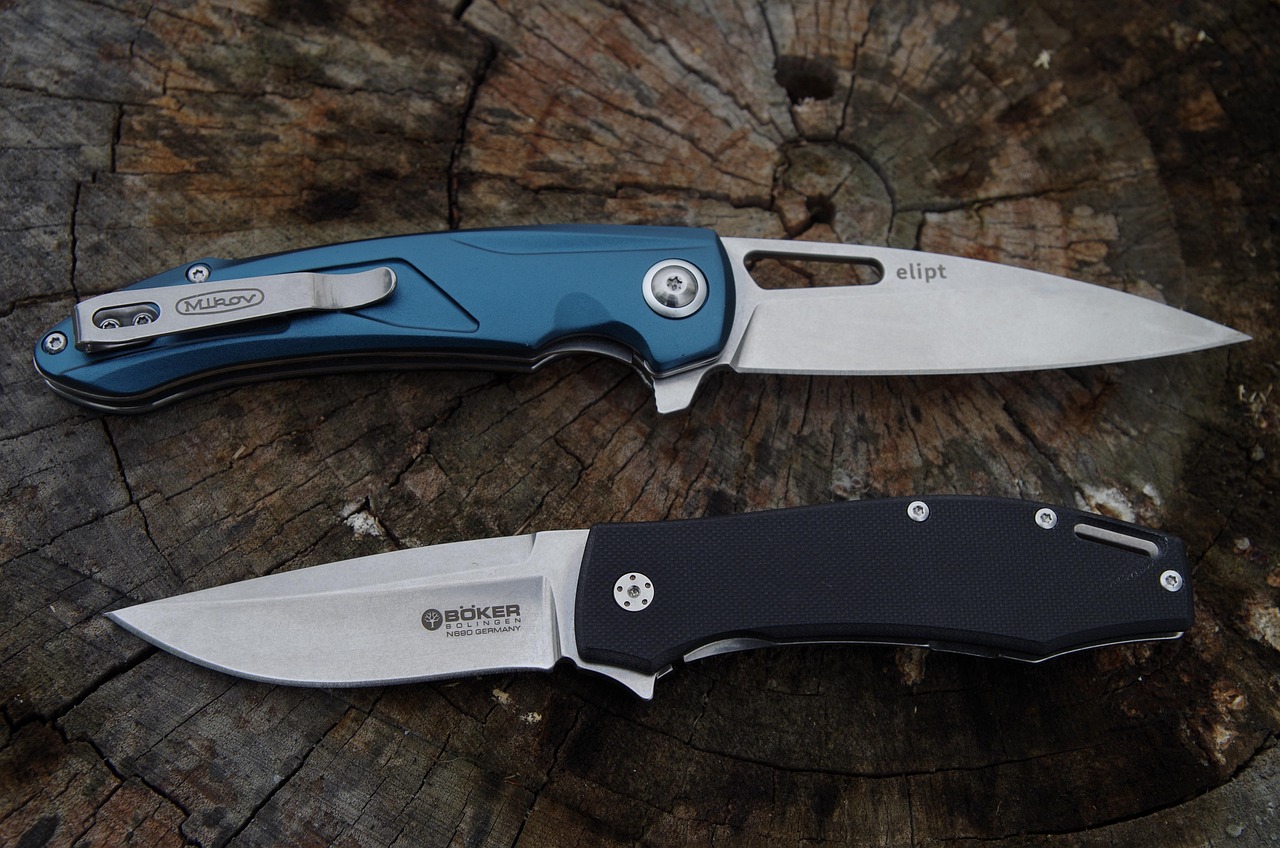
Folding Knives
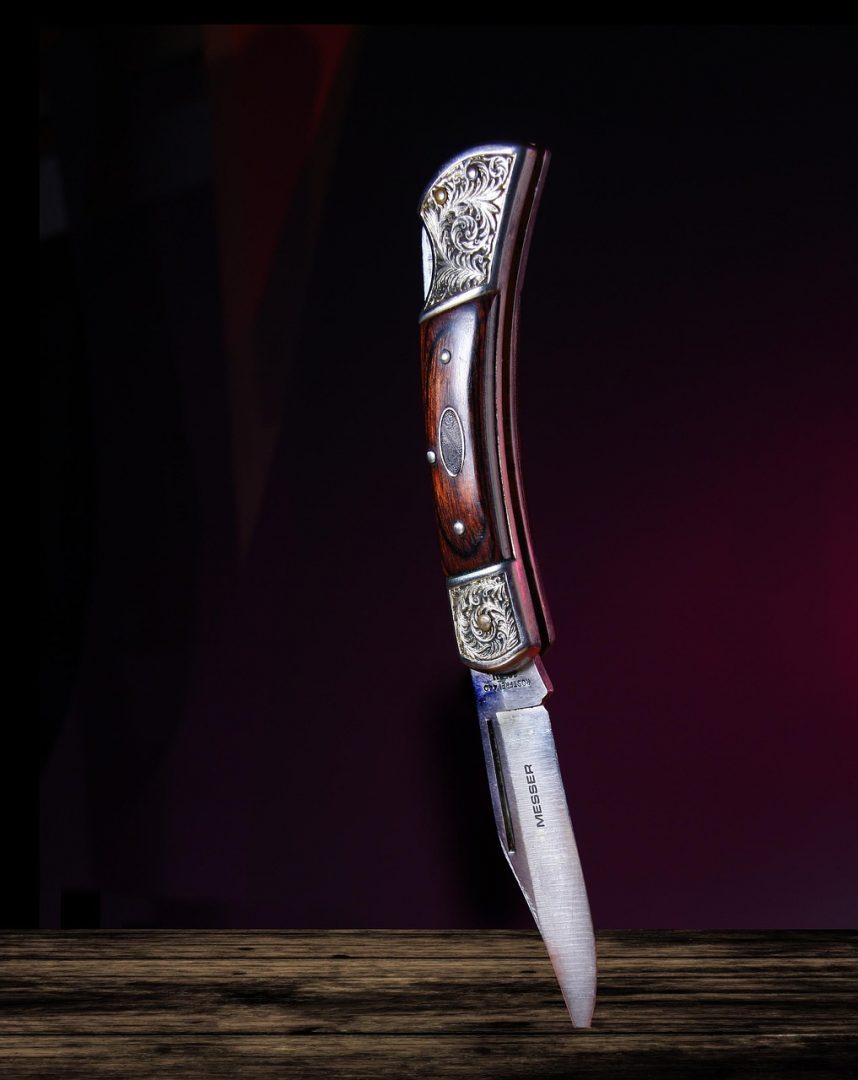
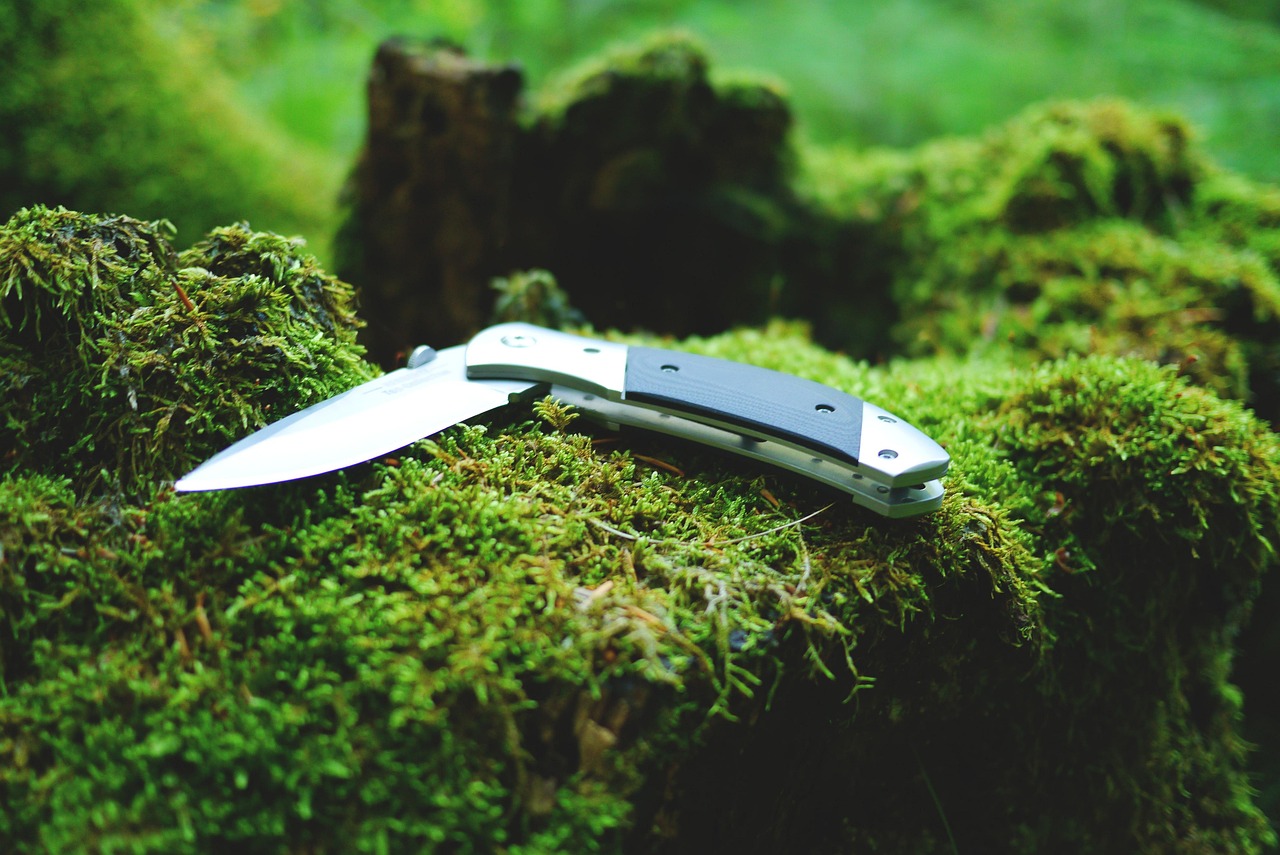
Also called pocket knives, these are compact and safe to carry. They’re perfect for everyday tasks like slicing food, opening packaging, or cutting rope. Modern folding knives often include locking mechanisms for added safety.
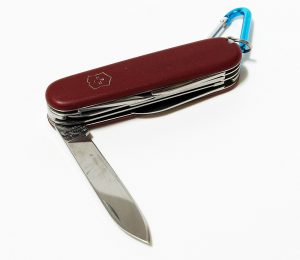
Multi-Tools and Swiss Army Knives
These combine several tools in one, such as a blade, screwdriver, saw, and can opener. While not as durable for heavy use, they’re unbeatable for convenience and quick fixes around camp.
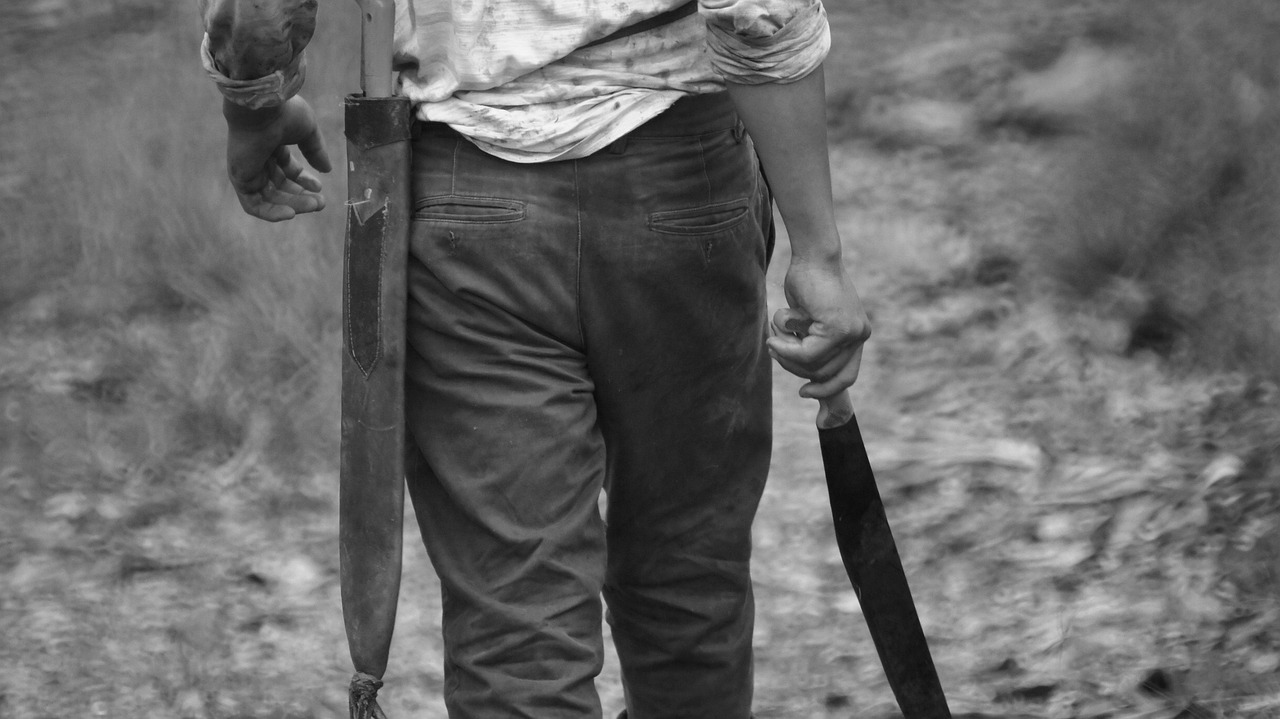
Machetes and Large Camp Knives
Designed for clearing vegetation or chopping wood, machetes can double as a survival tool in dense forest terrain. Some campers prefer them as an alternative to a hatchet for ultralight setups.
3. Materials Used in Camping Knives
Blade Materials
- Stainless Steel – Rust-resistant and low-maintenance. Ideal for humid or wet environments, though it may not hold an edge as long as high-carbon steel.
- High-Carbon Steel – Known for superior sharpness and durability. Requires regular oiling to prevent rust, but it’s a favorite among bushcrafters and survivalists.
- Ceramic Blades – Extremely sharp and corrosion-proof, but prone to chipping or breaking under stress—best for light cutting tasks like food prep.
Handle Materials
- Wood – Classic look and comfortable grip but needs care to prevent cracking or swelling.
- Rubber or Polymer – Durable, waterproof, and offers excellent grip even when wet.
- Micarta and G10 – Premium materials often found in high-end knives. Extremely strong and resistant to heat and moisture.
- Metal Handles (Aluminum, Stainless) – Sleek and sturdy, though they can get slippery or cold in bad weather.
4. Common Uses of Camping Knives
Food Preparation
From slicing vegetables to filleting fish, a sharp knife is essential for meal prep at camp.
Fire Building
Knives are used for shaving tinder, batoning wood, or striking ferro rods to create sparks.
Shelter and Gear Maintenance
Cut paracord, modify stakes, carve tent poles, or make quick gear repairs.
First Aid and Emergencies
In survival situations, a knife can cut bandages, remove splinters, or even help in self-defense.
Crafting and Bushcraft
Carving wood tools, traps, and utensils is where a knife truly shines in skilled hands.
5. Choosing the Right Camping Knife
- Environment – Wet climates call for stainless steel; dry or cold areas favor high-carbon steel.
- Purpose – Are you cutting food, chopping wood, or doing survival tasks?
- Portability – Fixed blades are reliable but bulkier, while folding knives are more compact.
- Comfort – Make sure the handle feels secure in your hand; fatigue can set in quickly with poor ergonomics.
Final Thoughts
A good camping knife isn’t just a tool—it’s a companion in the wild. The best knife for you depends on how and where you camp, but investing in a quality blade made from strong materials will pay off for years. Whether you choose a compact folding knife for weekend trips or a rugged fixed blade for survival, a sharp edge and solid grip can make every outdoor task safer and more efficient.