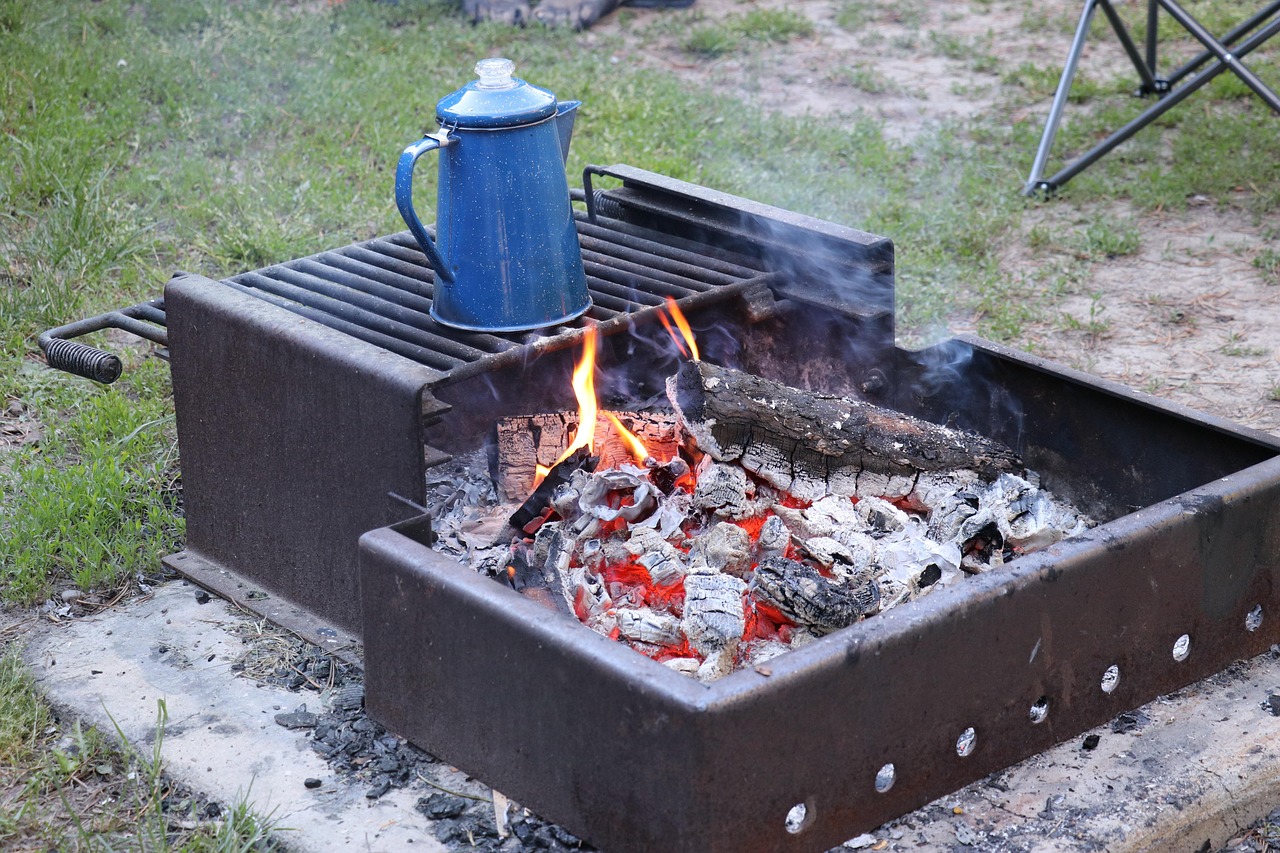
There’s something deeply satisfying about cooking outdoors. The smell of coffee brewing beside a quiet lake, the crackle of bacon on a skillet under the morning sun, or the sound of a pot bubbling with hearty stew as dusk settles in — all of it feels more authentic, more alive, when done outside. But to make those moments effortless rather than chaotic, you need a well-organized camp kitchen setup.
A proper camp kitchen isn’t just about convenience; it’s about creating a central hub where everything you need — from cookware to spices and storage to coolers — is within reach. Whether you’re a weekend camper or a seasoned overlander, having the right setup can make or break your outdoor cooking experience. Make sure to plan wisely.
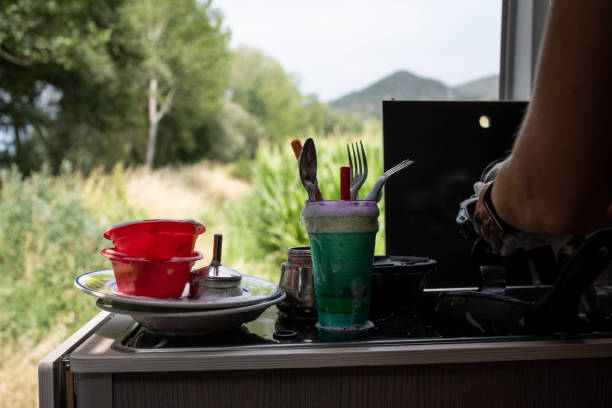
The first step in any good camp kitchen setup is planning. Think of your kitchen like a small outdoor workstation — efficiency matters. You’ll want a flat, stable surface to cook on, ideally near your fire pit or camp stove, but not so close that heat or smoke becomes a problem. Many campers bring a folding camp table or a portable cooking station designed specifically for outdoor use. These often have shelves, hooks, wind guards, and some even have light poles for hanging above. This makes meal prep more comfortable, enjoyable, and easy as possible.
It’s also smart to separate your kitchen into zones: a cooking area, a prep area, and a cleaning area. This simple organization saves time and keeps things sanitary. A lightweight dish basin or collapsible sink can make cleaning up much easier, and a small drying rack can help avoid clutter. Having these areas slightly spread out makes for plenty of room for more than one to help with the camping kitchen duties.
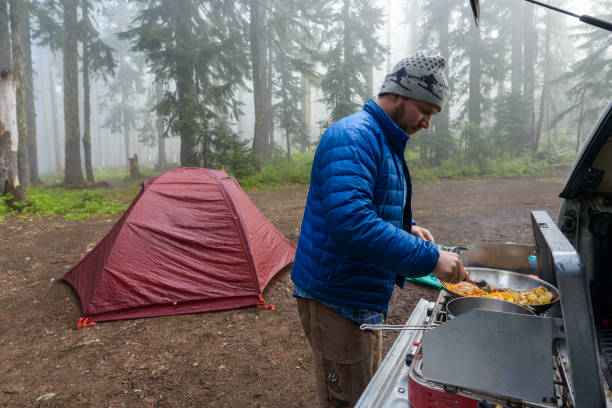
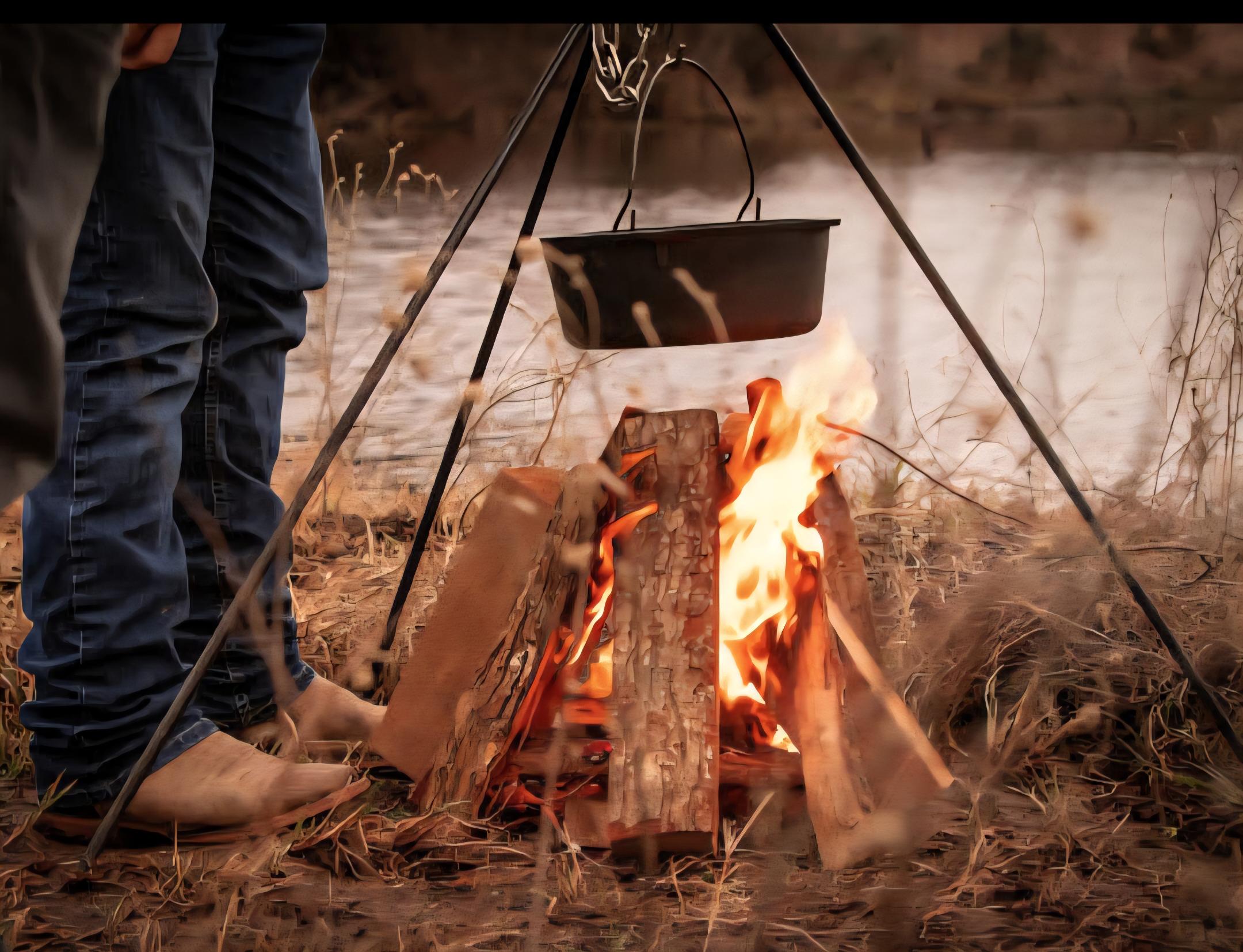
Every good camp kitchen starts with a reliable stove, grill, or firepit. Propane camp stoves are compact and dependable. We all remember the Coleman dual burner stove that has been around for years. Newer models are foldable and even more compact, but for those who prefer the old-fashioned way, a fire grate over the campfire works just as well — with a little patience and skill. Cast-iron cookware, like a skillet or Dutch oven, is a favorite among campers for its durability and ability to retain heat evenly. Just remember, it’s heavy and needs to be oiled, so plan accordingly.
Don’t forget the smaller essentials: cutlery, a sharp camp knife, tongs, spatula, cutting board, and a good pot or kettle. Aluminum and stainless steel cookware sets are lightweight and great for backpackers, while families or RV campers might prefer sturdier gear that feels more like a home kitchen- pots and pans etc…
Keeping your food fresh is as important as cooking it. A cooler is the heart of your camp kitchen setup. For short trips, a high-quality ice chest will do, but for longer adventures, consider a powered cooler or portable fridge if you have access to electricity or a solar setup. Always separate raw meat from produce to avoid cross-contamination, and pack food in leak-proof containers or resealable bags. Most high end coolers now-a-days have great insultation in which ice can last for days.
Critters are another concern. Raccoons, bears, and even squirrels can ruin your food supply if you’re careless. Store all food in airtight containers and keep coolers locked or inside your vehicle when not in use. Many campgrounds also provide bear-proof lockers for extra safety.
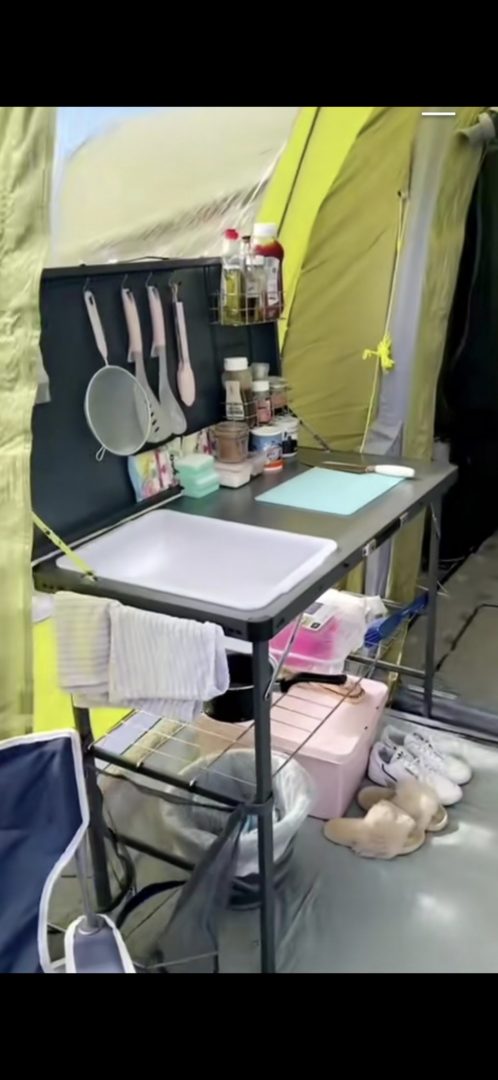
One of the best upgrades for any camp kitchen setup is a camp kitchen box — a sturdy tote or modular storage bin that holds all your cooking gear. Label sections for utensils, cookware, and cleaning supplies, so you always know where things are. Hanging organizers and collapsible storage bags can keep your area tidy and prevent clutter from spreading across your campsite.
Lighting is another often-overlooked element. A bright LED lantern or a headlamp clipped to your cooking station can make all the difference when you’re trying to cook after sunset or making that early coffee before sunrise.
Leave no trace — it’s the golden rule of outdoor life. Use biodegradable soaps, and always dispose of wastewater at least 200 feet from natural water sources. Many campers also carry a small trash bin or reusable garbage bag to separate recyclables and compostables. Keeping your camp kitchen clean not only protects nature but also keeps animals away and prevents foodborne illness. See my previous blog for more information for Leave No Trace.
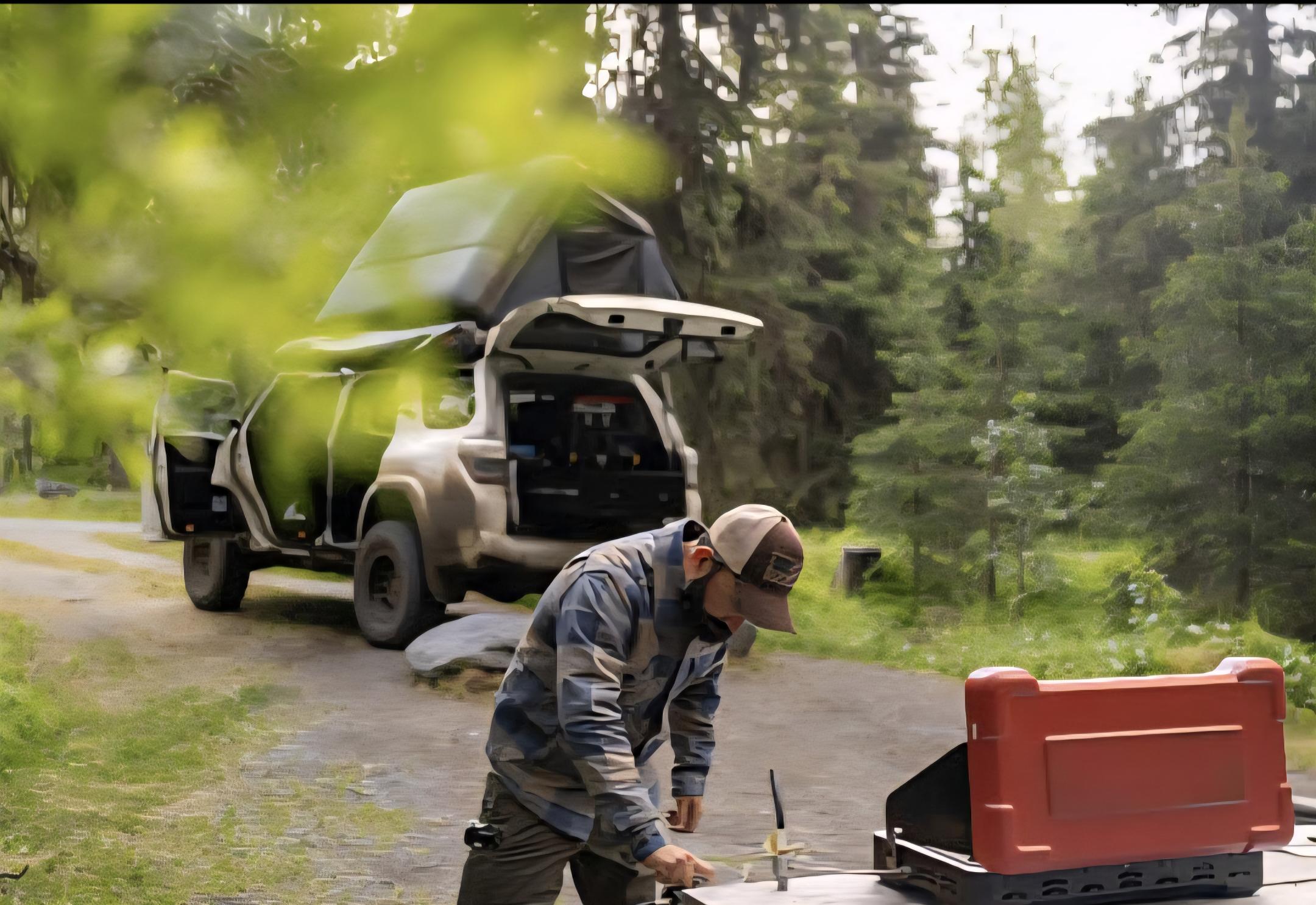
Finally, make your kitchen your own. Add a coffee press for those early mornings, a spice rack for flavor variety, or even a small tablecloth to make your setup feel like home. Some campers hang a string of solar lights around their kitchen to create a cozy atmosphere at night — small touches that turn an ordinary meal into a memorable experience with an outdoor kitchen that almost feels like home.
A well-designed camp kitchen setup is more than a collection of gear; it’s the foundation of great outdoor living. When everything is organized, cooking becomes a pleasure rather than a chore. It makes the whole experience stress free when everything has its place. Whether you’re grilling by the fire or brewing tea at sunrise, the right setup lets you enjoy the simplicity and satisfaction that only outdoor cooking can bring. What does your camping kitchen look like?