
How to Camp Comfortably in Any Season: Staying Cool in the Heat and Warm in the Cold.

Camping brings us closer to nature — but staying comfortable in the heat or cold takes skill, preparation, and the right gear. Here’s how to master both.

Camping in the Heat: How to Stay Cool

Summer camping means bright mornings, long days, and golden sunsets — but it can also mean sweltering tents and restless nights if you’re unprepared. Staying cool in hot weather is about more than comfort; it’s about safety. Overheating, dehydration, and exhaustion can turn a great trip into a struggle. Here’s how to stay refreshed and ready when temperatures soar.

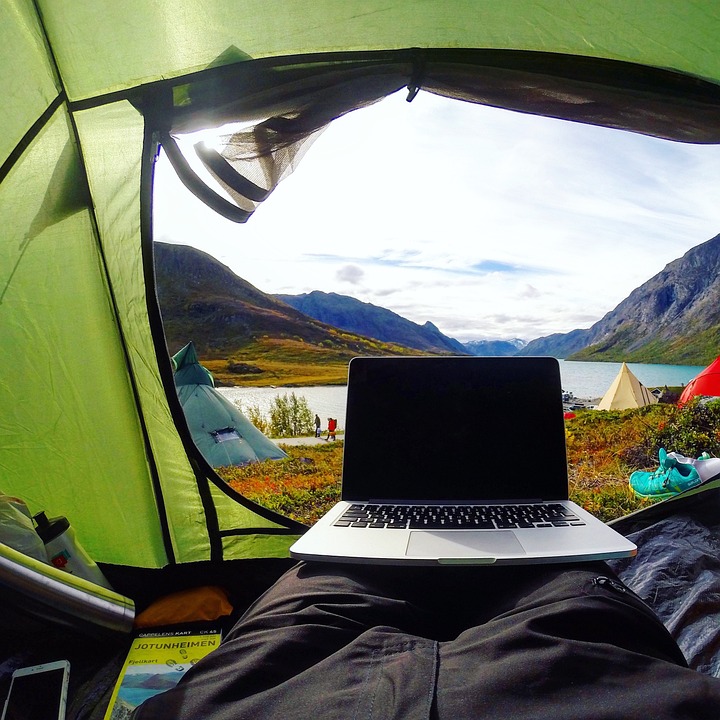
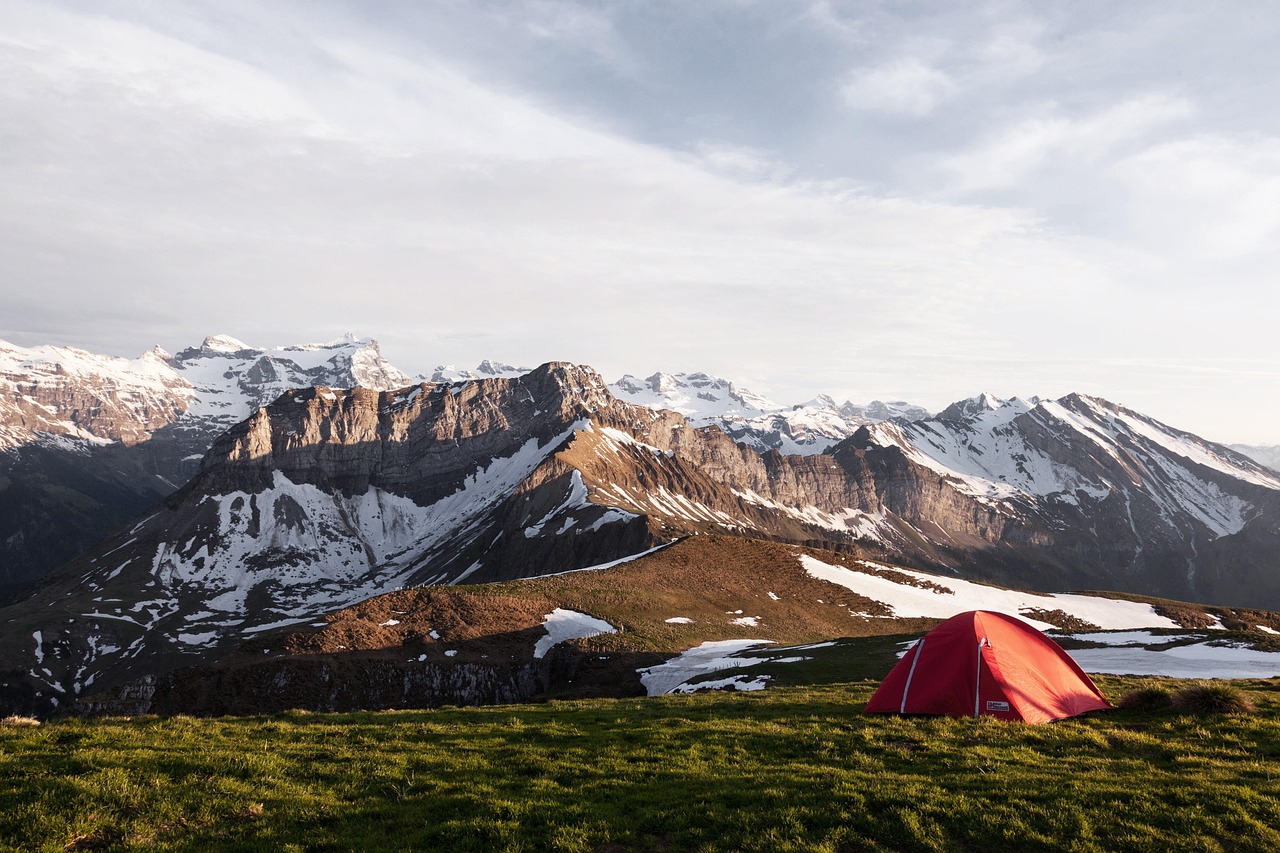
Set up your summer camp with plenty of airflow and shade to keep temperatures down.

1. Choose Your Campsite Wisely

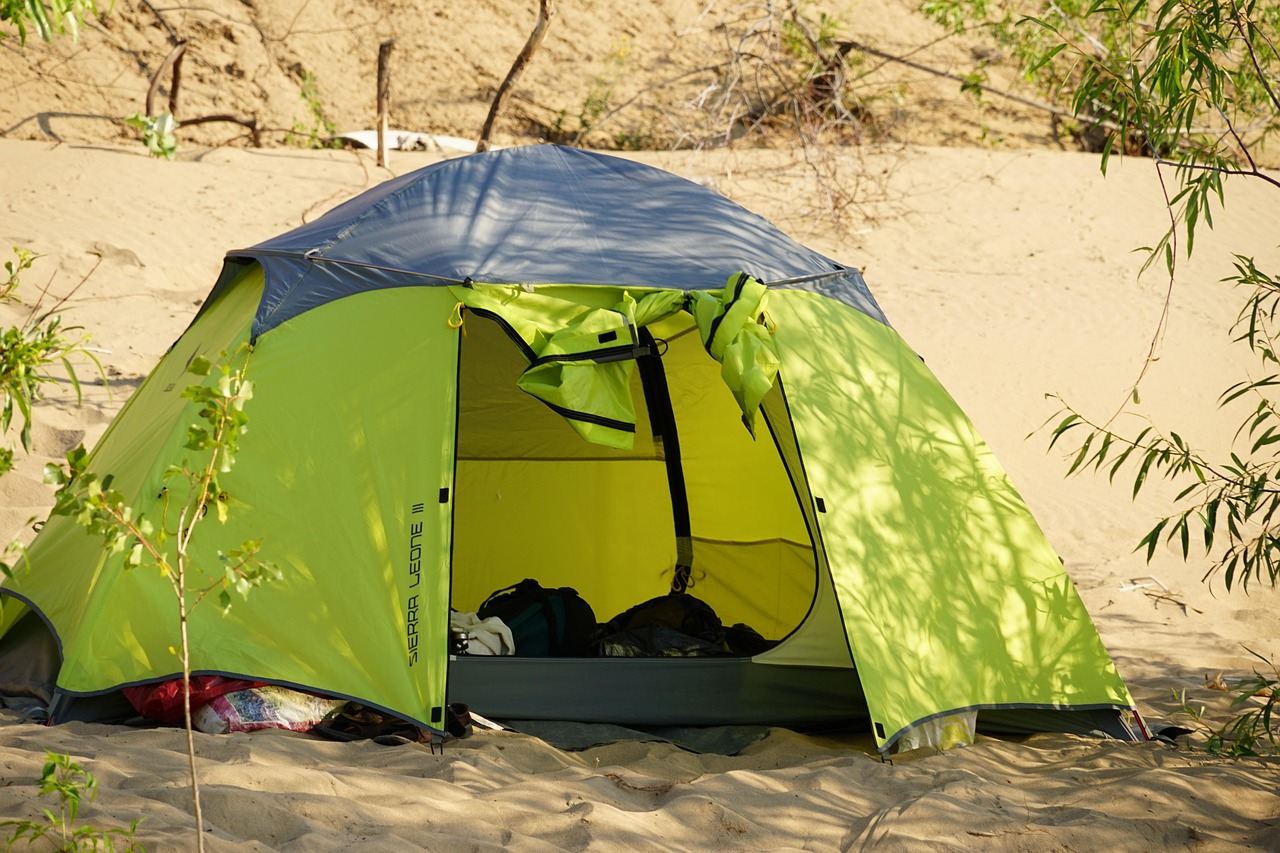
Look for a site shaded by tall trees or close to water where breezes naturally cool the air. Avoid low valleys that trap humidity and open fields that absorb heat. Position your tent so the morning sun doesn’t hit it directly, allowing you to sleep a little longer in comfort.

2. Use the Right Tent and Shelter Setup

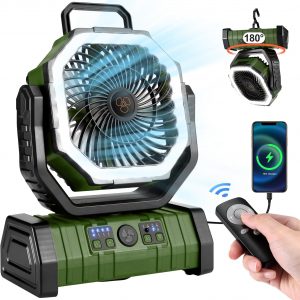
Ventilation is key. Choose a summer tent with large mesh panels and cross-flow windows. Remove the rainfly when skies are clear to let trapped heat escape. For extra comfort, set up a reflective tarp or canopy to block sunlight. Portable fans, like the Odoland 30000mAh Camping Fan with LED Lantern, help circulate air and double as nighttime lighting.

3. Stay Hydrated and Eat for the Heat

Drink water consistently — before thirst sets in. Electrolyte mixes or sports drinks replace vital minerals lost through sweat. Light, quick meals such as fruit, wraps, or salads help keep your body temperature down while minimizing cooking heat around camp.

4. Wear the Right Clothing

Loose, light-colored, and moisture-wicking fabrics like nylon or merino wool are best. Avoid cotton since it traps sweat. A wide-brimmed hat, sunglasses, and a cooling towel around your neck can make hours in the sun feel manageable. Don’t forget sunscreen, even under partial shade.

5. Cool Down Smart

Plan physical activity for mornings or evenings when temperatures are lower. Rest during midday, preferably in a shaded hammock or under a tarp. Before bedtime, rinse off in cool water or use a wet towel on your wrists, neck, and ankles to lower your body temperature naturally.

Camping in the Winter: How to Stay Warm

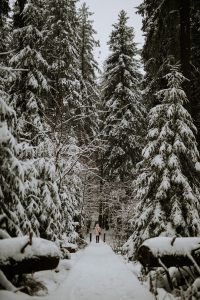
Winter camping may seem extreme, but with proper planning, it becomes one of the most peaceful and rewarding outdoor experiences. The quiet forests, crisp air, and snow-covered landscapes are breathtaking — if you know how to keep warm. Insulated tents, layered clothing, and smart site selection make winter camping comfortable.

1. Choose the Right Location

Seek a spot protected from strong winds — behind natural barriers like trees or ridges. Avoid valleys where cold air settles. South-facing slopes catch more sunlight and can stay slightly warmer during the day. If camping on snow, pack it down first to create a solid base and reduce melting beneath your tent.

2. Insulate from the Ground Up

Cold travels upward from the ground, so your sleep system matters. Use two layers beneath you: a closed-cell foam pad for insulation and an inflatable pad for comfort. Combine them with a sleeping bag rated at least 10–15°F colder than the forecast low. A warm sleeping bag liner adds extra insulation without much weight.

3. Layer Smart and Stay Dry

Layering traps body heat and allows flexibility as temperatures change. Start with a moisture-wicking base layer, add an insulating fleece or down mid-layer, and top it off with a windproof, waterproof shell. Avoid cotton entirely — it retains moisture and chills the skin. Keep dry socks and gloves for sleeping to maintain warmth through the night.

4. Safe Tent Heating and Fire Use

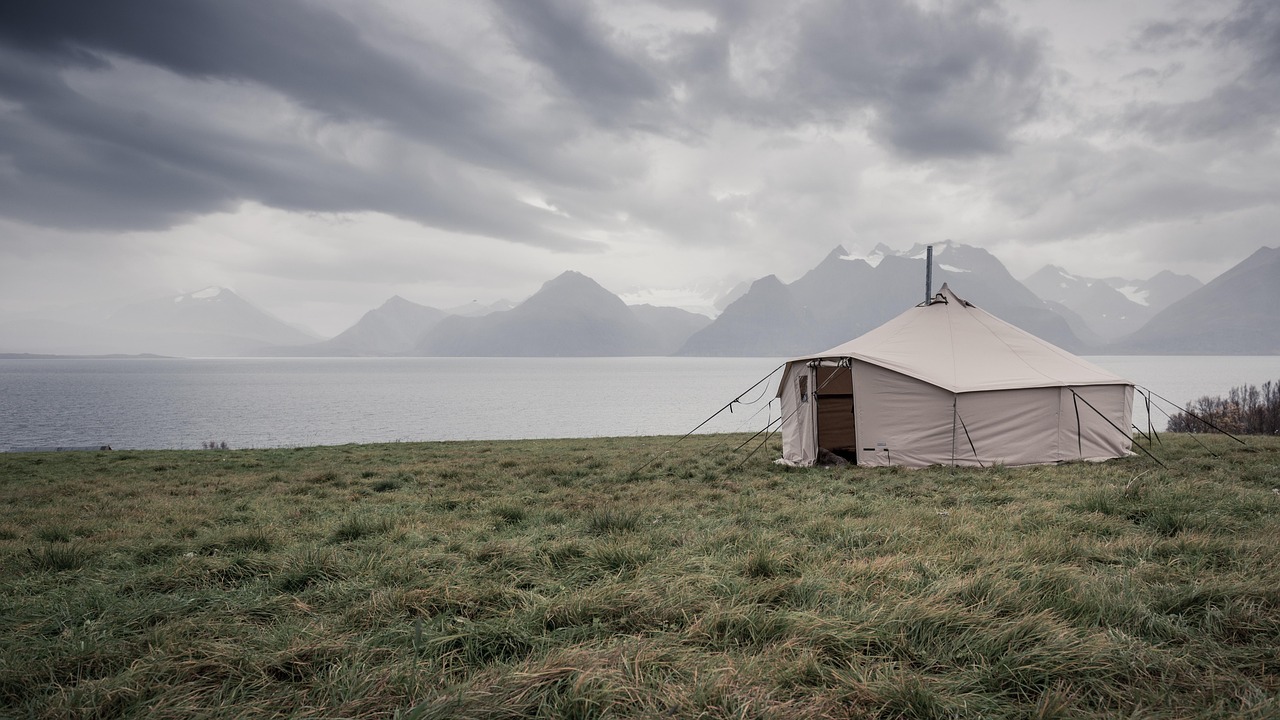
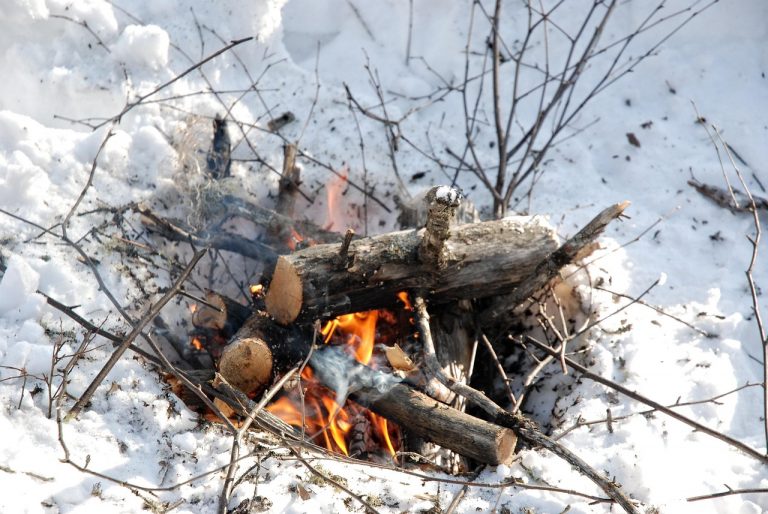
Four-season tents and small heaters like the Mr. Heater Buddy can make cold nights far more comfortable. Always maintain ventilation to prevent carbon monoxide buildup. If fires are permitted, heat stones near your campfire, wrap them in cloth, and place them in your tent before bed to radiate gentle warmth overnight. Hot tents provide a wood stove jack for maximum heat during those cold temps. Make sure to have the proper tools and heat shields. Cooking on the wood stove is an added bonus since you do not necessarily need a fire pit.

5. Eat, Drink, and Move for Warmth

Your body generates heat from food and activity. Eat calorie-dense meals rich in protein and healthy fats — oatmeal, stews, pasta, or chili. Stay hydrated with warm drinks such as cocoa, tea, or soup. Light exercise before bed (squats, stretches, or jumping jacks) raises core temperature without causing sweat.

6. Bedtime Warmth Tricks

Before sleeping, change into dry clothes and wear a hat. Slip a hot water bottle or hand warmer into your sleeping bag for instant comfort. Keep electronics inside your bag to protect their batteries from freezing. Avoid exhaling inside your bag — moisture from breath can dampen insulation and reduce warmth.

Final Thoughts: The All-Season Camper’s Mindset

True campers don’t just survive the elements — they learn to work with them. When you understand how to manage temperature, every season becomes an open invitation to explore. In summer, you’ll enjoy cool breezes beneath tall pines; in winter, you’ll find serenity under a blanket of snow. Nature rewards preparation — so pack smart, plan ahead, and embrace every challenge the outdoors offers.

Whether it’s a blazing July afternoon or a frosty January night, camping comfort is all about preparation, awareness, and the right gear. Adventure doesn’t have a season — it has a mindset.