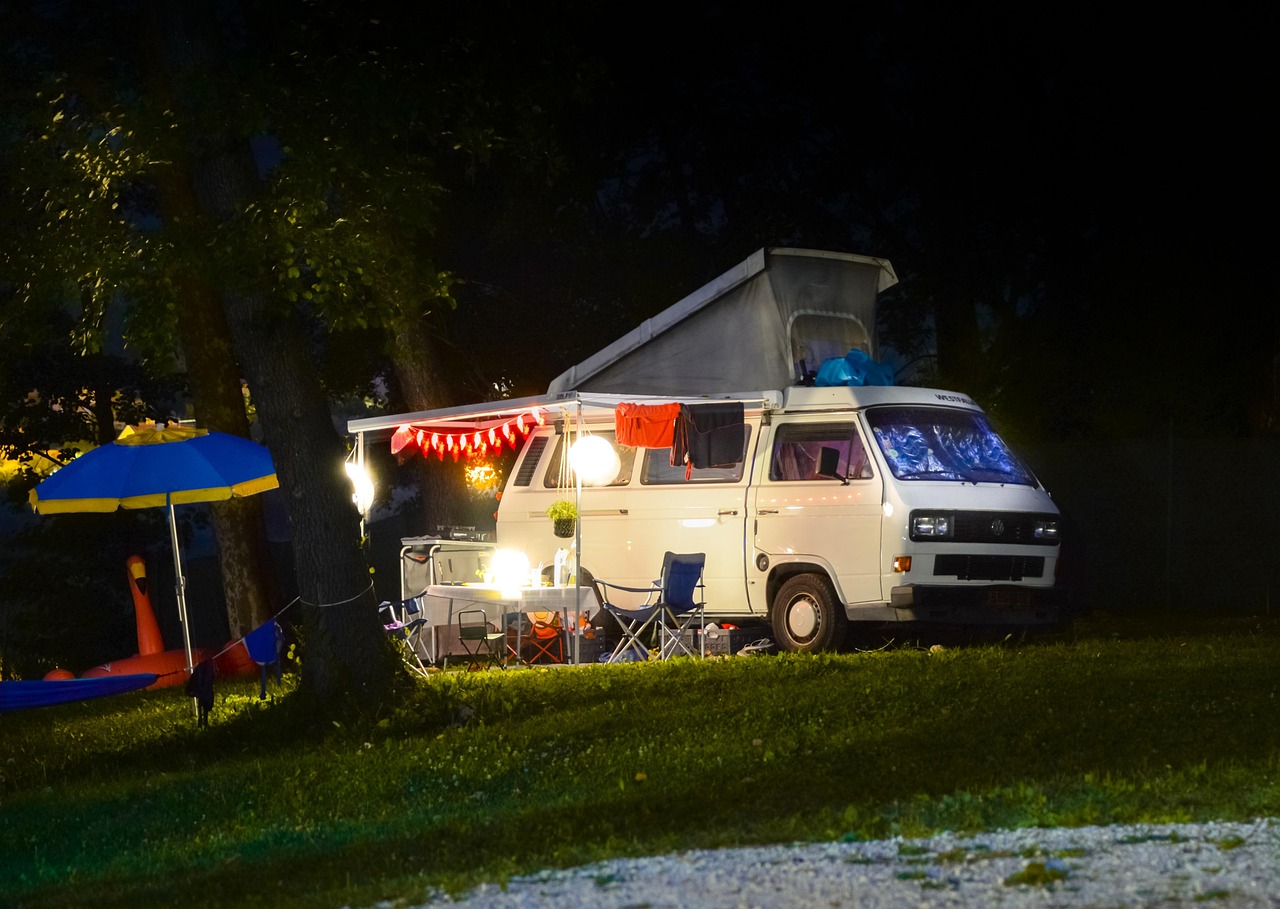
There’s something magical about disconnecting from the grid, parking your RV beside a quiet lake, or setting up camp deep in the wilderness where cell signals fade away. But in the modern world, going off-grid doesn’t have to mean giving up comfort, safety, or convenience. With the right power setup, campers can enjoy reliable electricity for lights, fans, fridges, communication devices, and even entertainment—without relying on noisy campgrounds or hookups. This guide explores every option for off-grid power, from solar systems to portable generators and battery banks, helping you understand what’s best for your next adventure.
Off-grid power simply means generating and storing your own electricity independent of traditional electrical hookups. Whether you’re in a tent, van, or RV, off-grid power solutions allow you to run small appliances, lights, radios, and even air conditioning. The goal is to create a sustainable, efficient system that provides enough energy for your needs while minimizing noise, fuel consumption, and environmental impact. The most common off-grid power sources for campers include solar energy, portable generators, and battery storage systems, often used together for flexibility.
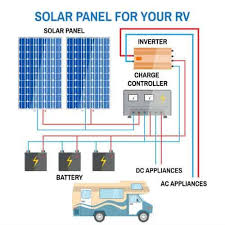
Solar power is the gold standard for off-grid camping. It’s quiet, eco-friendly, and easy to scale depending on your power needs. Modern solar panels can power everything from phone chargers to full RV systems with refrigerators and water pumps.
Portable Solar Panels: Foldable solar panels or solar suitcases are ideal for tent campers and van lifers. They’re lightweight and can be aimed directly at the sun for maximum efficiency.
Roof-Mounted Solar Panels: For RVs and travel trailers, fixed solar panels on the roof create a hands-free solution that charges throughout the day. These systems typically connect to a charge controller, which regulates voltage before feeding energy into your battery bank.
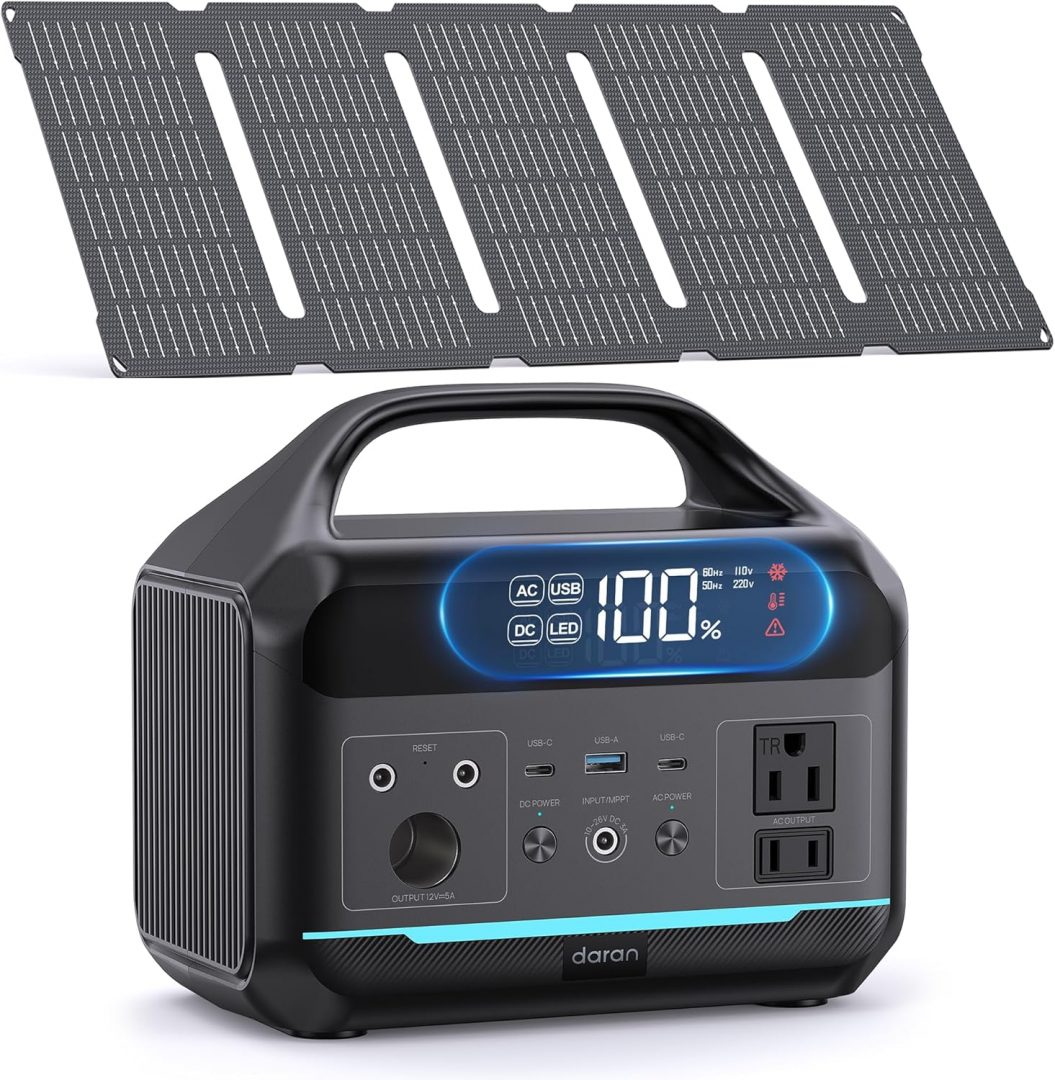
Solar Generators and Power Stations: Brands like Jackery, EcoFlow, and Bluetti have made solar generators extremely popular. These are all-in-one units combining batteries, inverters, and charge controllers into a portable box. Just plug in solar panels, and you can run most small appliances instantly. Many models even include multiple USB, DC, and AC outlets for easy use.
Advantages:
Virtually silent operation
Free energy from the sun
Low maintenance
Lightweight and compact options
Limitations:
Requires sunlight
Limited output during cloudy weather or winter months
Higher upfront cost for larger setups
For most campers, a 300–1000W solar generator with a 100–200W panel kit is enough to run phones, lights, fans, and small appliances. RV users might need a 2000–3000W inverter system with 400–800W in solar panels for reliable power.
Solar panels collect energy, but batteries store it—and having the right battery setup is essential for consistent off-grid power.
Types of Batteries:
Lead-Acid (AGM or Gel): Affordable but heavy, with limited usable capacity (usually 50% of rated power).
Lithium Iron Phosphate (LiFePO4): More expensive but much lighter, longer-lasting, and can discharge nearly 100% safely.
Battery Bank Sizing:
To calculate your battery needs, first estimate your total daily power usage in watt-hours. For example, if you use 300Wh for lights, 100Wh for fans, and 400Wh for small appliances, you’ll need around 800Wh daily. A single 12V 100Ah LiFePO4 battery (≈1280Wh) could power that comfortably for a full day or more, especially when paired with solar input.
Recommended Accessories:
Battery monitor to track voltage and current
Charge controller (if using solar)
Pure sine wave inverter for running AC devices
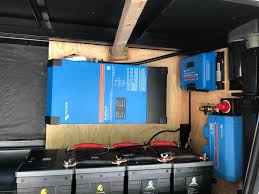
Lithium batteries are a great long-term investment for off-grid campers, providing steady, safe energy with minimal maintenance.
When sunlight is scarce or your energy needs exceed solar capabilities, a portable generator remains a dependable backup. Gas, propane, and dual-fuel generators can provide steady current for heavy loads like power tools, air conditioners, or microwaves.
Inverter Generators:
Modern inverter generators are far quieter and more fuel-efficient than older models. They automatically adjust engine speed based on load, reducing fuel consumption and noise levels. Honda, Champion, and Westinghouse produce excellent options in the 2000–4500W range, perfect for RV or basecamp use.
Dual-Fuel Generators:
Dual-fuel models allow you to run on either gasoline or propane, providing versatility in long-term setups or emergencies.
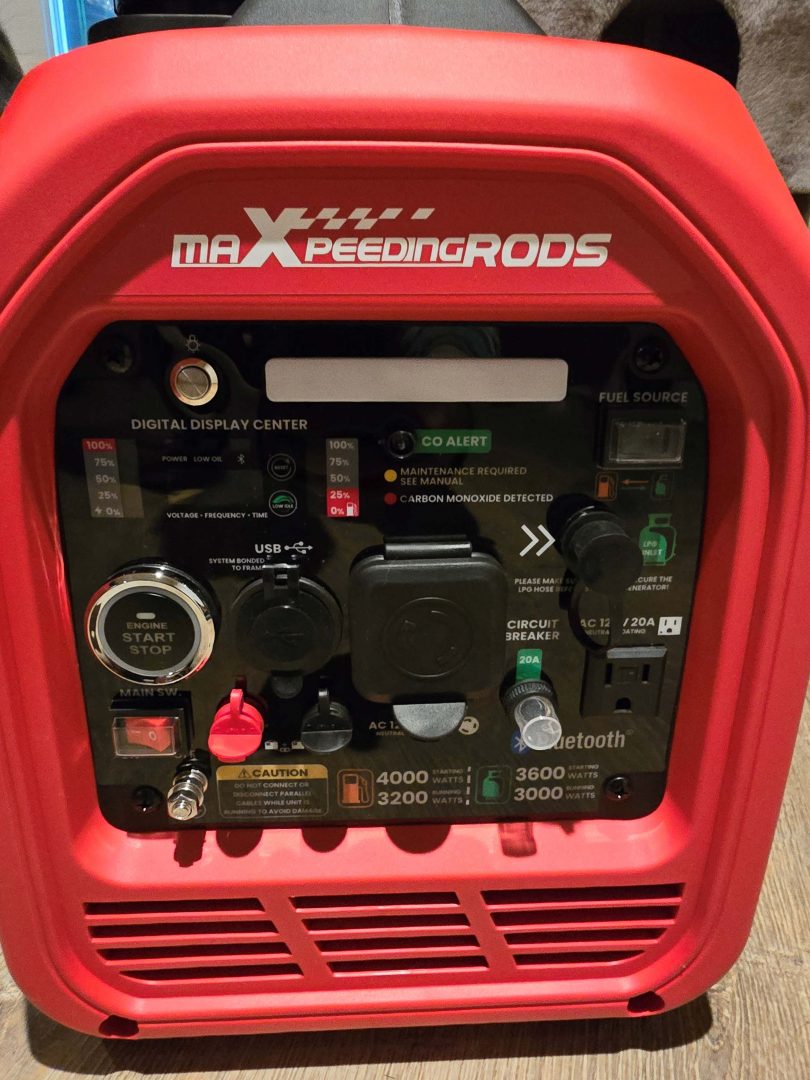
Generator Safety Tips:
Always operate at least 20 feet away from your tent or RV.
Never run indoors or in enclosed areas.
Use a carbon monoxide detector near sleeping areas.
Store fuel safely away from campfires or stoves.
For most RV campers, a 2000–3000W inverter generator provides plenty of power for essentials, while smaller 1000W units work well for tent setups or recharging batteries.
Once your power system is in place, you’ll want to use energy efficiently. LED lighting is ideal—bright, long-lasting, and energy-efficient. Rechargeable lanterns, USB-powered fans, and headlamps provide hours of use on minimal power.
Recommended Gear for Efficiency:
USB or 12V LED lanterns
Rechargeable flashlights and headlamps
Battery-powered fans for tents or RV cabins
Solar string lights for campsite ambience
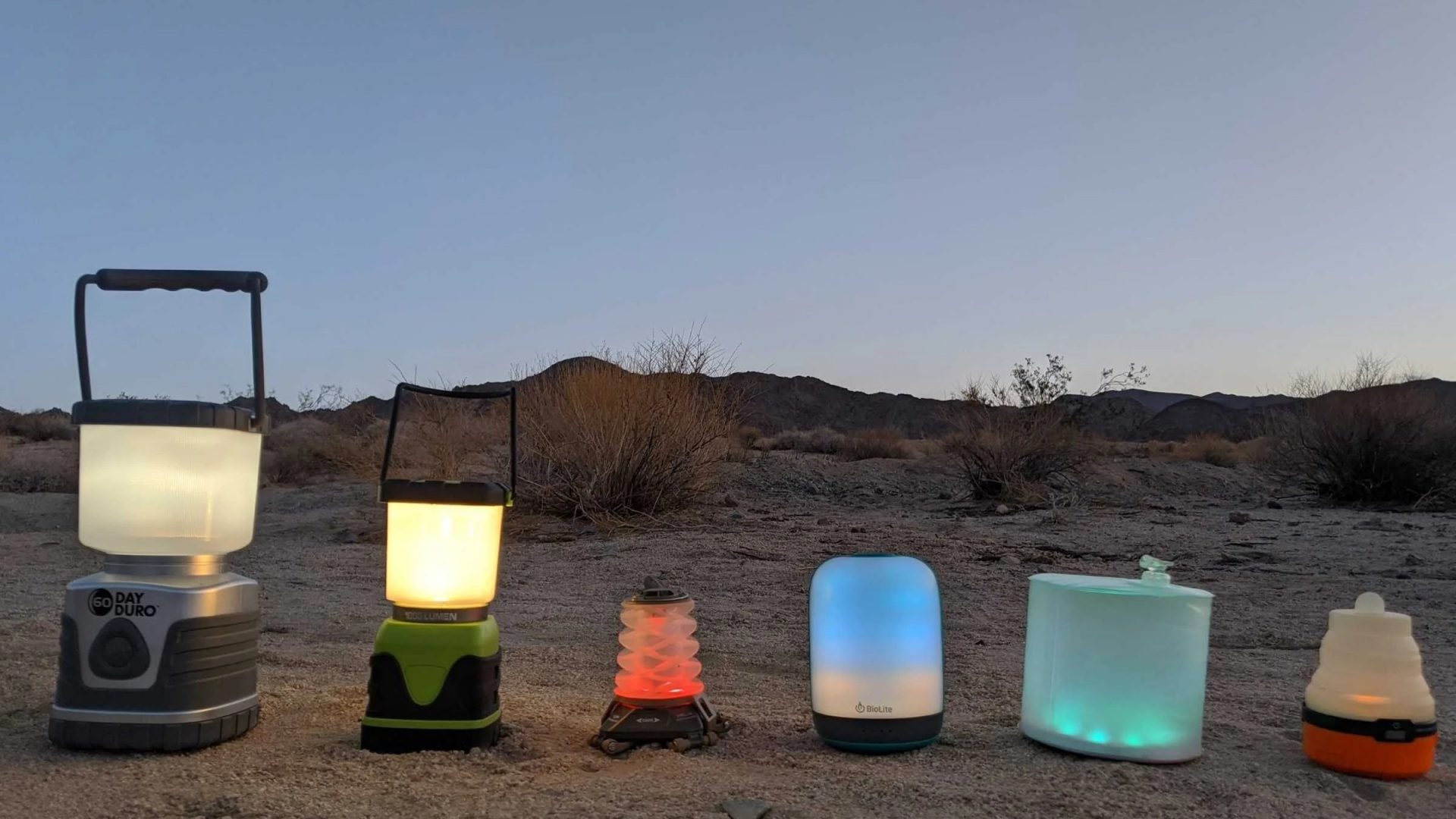
Reducing unnecessary load means your batteries last longer, and your solar system recharges more quickly.
Even the best off-grid systems can run low if you waste power. Here are a few strategies to stretch every watt:
Charge devices during peak sunlight hours when panels produce the most energy.
Turn off inverters when not in use to avoid idle drain.
Use 12V DC appliances instead of converting everything to 120V AC.
Unplug idle chargers—they slowly draw current even when not charging.
Plan power-heavy tasks (like running a coffee maker or air compressor) for midday rather than morning or evening.
Smart energy management keeps your setup smaller, lighter, and more cost-effective.
For most campers, the ideal system blends multiple technologies:
Solar panels for steady daytime charging
Lithium battery storage for quiet nighttime use
A small generator for backup or cloudy days
This hybrid approach offers true independence and peace of mind. You can recharge devices, cook meals, and power lights anywhere, from mountain trails to desert boondocks.
To help build your own off-grid systems, you can add these products to your gear and/or systems:
Portable solar panels and foldable kits
Lithium power stations (Jackery, Bluetti, EcoFlow)
Compact inverter generators
Rechargeable LED lanterns and fans
12V adapters, extension cords, and waterproof cases